Understanding Roof Flashing: Common Problems & Fixes
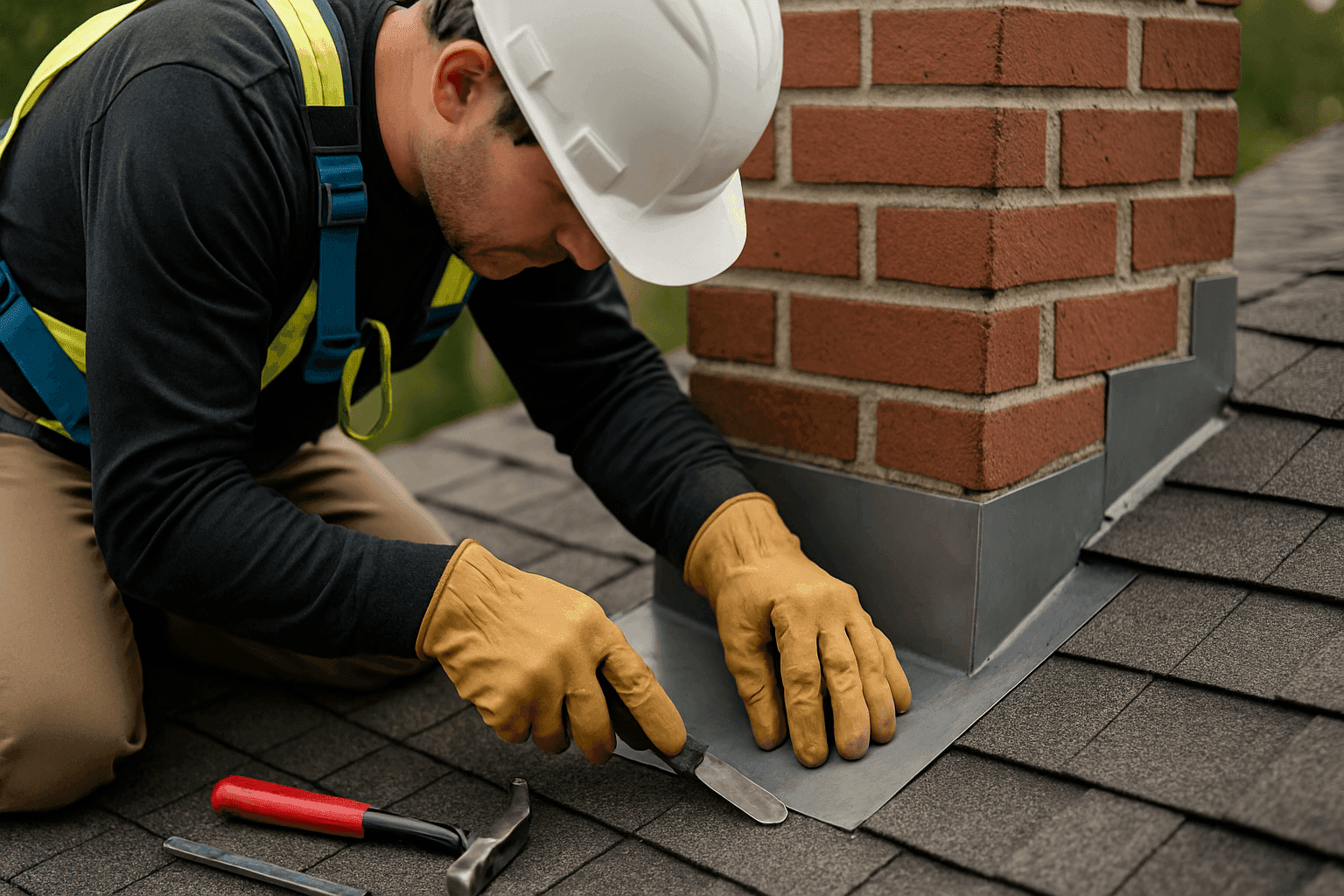
You notice a stain on your ceiling. Or maybe you spot a shingle that’s curled up and flapping in the wind. It’s easy to blame the entire roof. But often, the problem starts small—right at the seams. Roof flashing is the unsung hero of every roof, working quietly to keep water out. When it fails, leaks and damage follow fast.
At STL Roofing, we know that roof flashing issues can strike without warning. When they do, the clock is ticking—especially during a storm or in the dead of winter. Whether you own a cozy home or run a busy business, understanding flashing can save you stress, money, and future headaches.
What Is Roof Flashing?
Think of roof flashing as the raincoat for your roof’s most vulnerable spots. It’s usually made of thin metal—aluminum, galvanized steel, or copper—bent and tucked around places where water is most likely to sneak in: chimneys, skylights, valleys, vents, and edges.
Flashing acts as a barrier. It guides rainwater away from seams, joints, or any place where two surfaces meet. Without it, even the best roof is at risk.
Proper Materials Matter:
- Aluminum: Lightweight, rust-resistant, and easy to shape.
- Galvanized Steel: Tough and durable, often used in commercial roofing.
- Copper: Long-lasting and attractive, but pricier.
The right flashing material depends on your roof type, local climate, and even building codes. (For reference, the International Residential Code [IRC] outlines flashing requirements for all new roof installations.)
[Diagram: Common Roof Flashing Locations]
      _______
     /       \
   / |     | \
  /__|_____|__\
     |     |
    [C]   [S]

[C] - Chimney Flashing
[S] - Skylight Flashing
(Valleys run where two roof slopes meet)
Where Problems Occur (Chimneys, Valleys, Skylights) 🏚️
Flashing is most likely to fail at the joints and features that break up a roof’s surface. Here’s where trouble often starts:
- Chimneys: Flashing must wrap around both the base and the sides. If it’s not sealed tight, water finds a way in.
- Valleys: Where two roof slopes meet, valleys collect a torrent of water during rain. Damaged or missing flashing here is a leak waiting to happen.
- Skylights: These beautiful features are notorious for leaks if their flashing is not carefully installed and maintained.
- Roof Edges & Eaves: Flashing protects the edges from wind-driven rain and ice dams.
- Vents & Pipes: Any penetration through the roof deck needs flashing to direct water away.
Why These Areas Are So Vulnerable
Imagine a river flowing down a mountain. The water always finds the easiest path. On your roof, it’s the same. Seams, corners, and edges are the “low points” where leaks start if the flashing isn’t perfect.
Signs of Flashing Failure
How do you know if your flashing is failing? Look for these warning signs:
- Water stains on ceilings or walls inside the house
- Damp or musty smells in the attic or upper floors
- Visible rust, cracks, or separation along flashing edges
- Missing or loose flashing after a storm
- Mold or mildew growing near roof joints
- Peeling paint or warped wood near roof edges
If you spot any of these, it’s time to act. Small problems only get bigger with time.
[Diagram: Flashing Failure Signs]
|-----|      <-- Chimney
|     |
|     |
|_____|___
|     |  /
|     | /   <-- Water Stain
|_____|/
Repair Options (DIY & Pro)
You might be tempted to grab a tube of caulk and patch it yourself. Sometimes, that’s enough for tiny gaps. But flashing repairs can be tricky—and risky.
DIY Fixes (For Small Issues)
- Clean the Area: Remove dirt and debris so new sealant will stick.
- Apply Roofing Sealant: Use a high-quality, exterior-grade sealant for small cracks or holes.
- Nail Down Loose Flashing: If a piece is slightly loose, carefully re-nail it and cover the head with sealant.
Safety Reminder: Never climb onto your roof without proper gear. Always use a sturdy ladder, wear non-slip shoes, and avoid working in wet or icy conditions.
When to Call STL Roofing
- Multiple leaks or widespread damage
- Older roofs with brittle or rusted flashing
- Complex areas (chimneys, valleys, skylights)
- Emergency roofing during storms or after hail
We bring years of experience and the right tools to every job, ensuring a watertight result that lasts.
Preventing Future Leaks 🔒
A little prevention goes a long way. Here’s how you can reduce the risk of flashing problems:
- Regular Inspections: Check your roof every spring and fall, and after major storms.
- Clean Gutters & Downspouts: Clogged gutters send water back up under flashing. (STL Roofing offers Gutter Cleaning and Downspout Installation near you.)
- Trim Overhanging Branches: Falling branches can knock flashing loose.
- Watch for Animal Damage: Squirrels and birds sometimes pry up flashing to nest.
- Schedule Professional Maintenance: Professional roofers spot problems you might miss.
Tip: The National Roofing Contractors Association (NRCA) recommends annual inspections, especially before and after severe weather seasons.
What to Expect When Pros Arrive
When STL Roofing arrives, here’s what happens:
- Thorough Inspection: We check all flashing—chimneys, valleys, skylights, and more.
- Moisture Mapping: Using meters, we find hidden leaks inside walls or ceilings.
- Material Match: We source flashing materials that fit your roof’s age, style, and code requirements.
- Secure Repairs: Old flashing is removed; new, properly bent flashing is installed and sealed tight.
- Quality Check: We test for leaks before we leave.
You’ll always get a clear explanation, photos before and after, and honest recommendations.
Maintenance Tips for Homeowners & Property Managers
Stay ahead of flashing issues with these simple steps:
- Inspect attic ceilings for stains after heavy rain.
- Keep gutters and downspouts clear all year.
- After high winds or hail, walk around your property and look for loose or bent metal at the roof edges.
- Hire a qualified inspector every 1–2 years, especially for older roofs or commercial buildings.
Costs & Time Factors
Every roof is different, but here’s what to expect:
- Minor Repairs: Small patches or sealing can be done in under an hour.
- Full Flashing Replacement: Often takes half a day to a full day, depending on the area.
- Material Costs: Aluminum and galvanized steel are most affordable; copper is premium.
- Labor Factors: Steep, high, or complex roofs may require more time—and safety precautions.
Remember, fixing flashing early saves money by preventing bigger structural repairs later.
When It’s an Emergency
Flashing leaks can become emergencies fast—especially during storms or freeze-thaw cycles. If you notice water pouring in, power flickering, or insulation getting soaked, don’t wait.
STL Roofing’s emergency roofing service is ready 24/7. We’re equipped to handle leaks, temporary patches, and full repairs for both homes and commercial properties. Fast, safe, and reliable.
FAQ: Flashing Problems & Roof Leaks
How long does roof flashing last?
With proper materials and installation, flashing can last as long as your roof—20 years or more. But severe weather, poor installation, or animal damage can shorten its life.
Can I use caulk or roof cement to fix flashing?
For tiny gaps, yes. But for bigger issues, or if water is already getting in, professional repair is best. Sealants are a temporary fix.
What’s the difference between step flashing and continuous flashing?
Step flashing is installed in layers, like shingles, along roof edges and walls. Continuous flashing is a single long piece, often used at low-slope areas. Both need to be installed correctly for a leak-free result.
Do building codes require flashing?
Yes. Both the International Residential Code (IRC) and International Building Code (IBC) have specific flashing requirements for chimneys, valleys, and roof penetrations.
Local & Seasonal Considerations
In our region, heavy spring rains, summer storms, and icy winters test every inch of your roof. Flashing must stand up to temperature swings, heavy winds, and ice dams. Regular checks are especially important after hailstorms or freeze-thaw cycles—both can warp or crack flashing.
For commercial buildings, flat roofs are especially vulnerable. That’s why STL Roofing offers specialized flashing and emergency roofing services for facilities of all sizes.
Why Choose STL Roofing for Roof Flashing Repairs?
Our crews have worked on everything from historic homes to modern office buildings. We use code-approved materials, industry best practices, and keep up with the latest safety and installation standards.
What Our Customers Say:
“We had a persistent leak around our chimney that three other companies couldn’t fix. STL Roofing found the problem and fixed it right the first time.”
— Morgan L., Homeowner
“During a storm, water started pouring into our lobby. STL Roofing responded within the hour and had our commercial property dry by morning.”
— Jamie R., Business Owner
Roof flashing issues can’t wait. Whether it’s a small drip or a full-blown emergency, STL Roofing is ready to help—24/7, rain or shine. For quality repairs, preventative maintenance, or emergency roofing, reach out today.
Call STL Roofing now — or reach us anytime at 888-887-3097 .