Roof Replacement Cost Breakdown: What Homeowners Should Expect
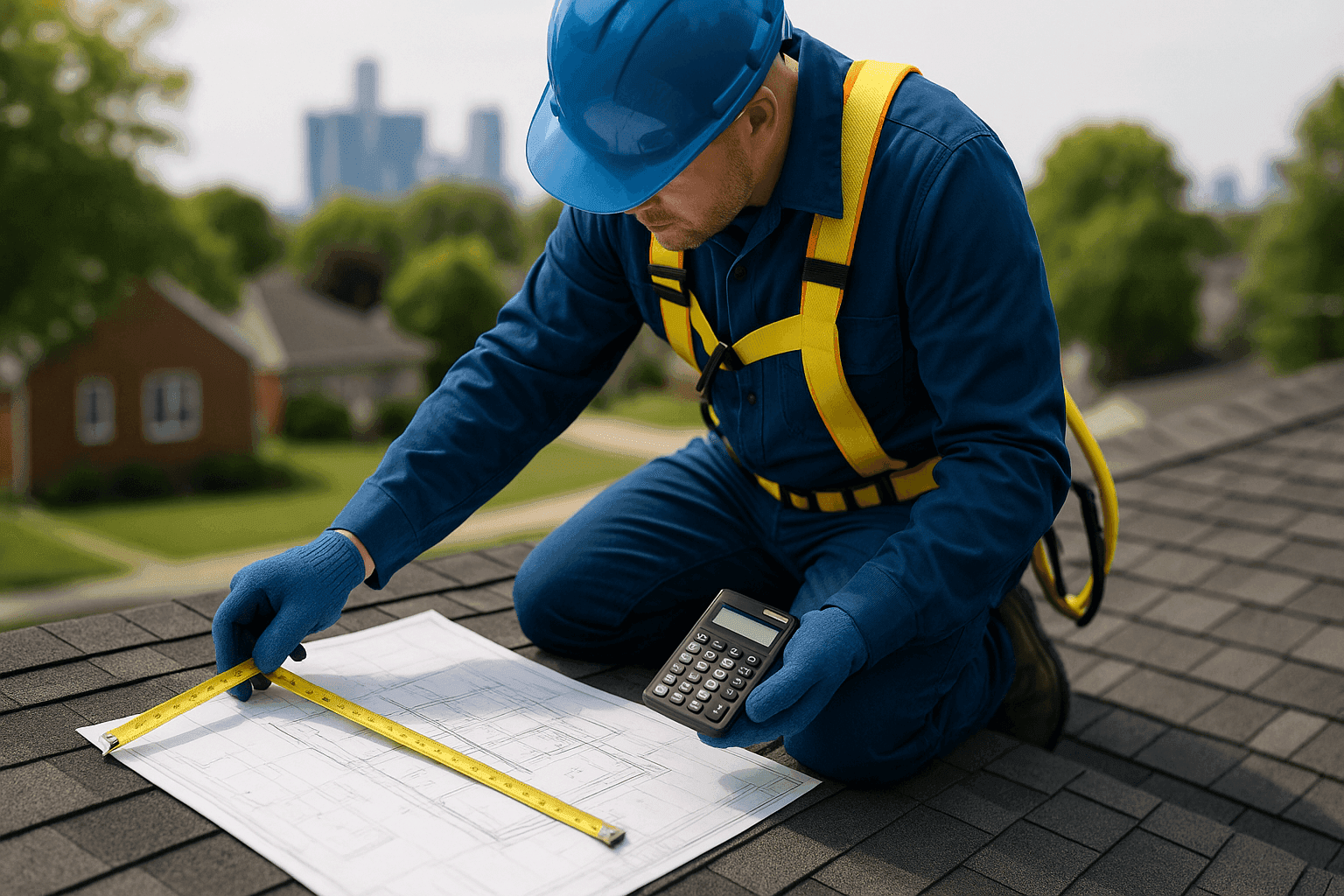
Replacing a roof is a big decision. It’s more than just shingles and nails—it’s about protecting your home or business from the next storm, the next leak, the next what-if. At STL Roofing, we know the anxiety that comes with seeing water stains on your ceiling or curling shingles on your roof. You want answers, not runarounds.
If you’re searching for “emergency roofing” or “Downspout Installation near you” because your roof is showing its age—or worse, already leaking—you’re in the right place. Here’s what goes into the cost, how to plan for it, and how STL Roofing keeps your budget in focus.
Factors Affecting Cost
Every roof is different. Like snowflakes, but heavier—and with a lot more riding on them. The final price tag depends on several moving parts:
- Square Footage: Bigger roofs mean more materials and labor.
- Pitch & Complexity: Steeper or unusually shaped roofs take longer and are trickier (think: more ladders, more safety gear).
- Material Selection: Asphalt shingles, metal sheets, tile, or eco-friendly options—each has its own price and lifespan.
- Old Roof Removal: Tearing off the old layer is extra work, especially if there are multiple layers.
- Local Codes & Permits: Some regions require extra steps or specific materials.
- Weather & Season: Emergency roofing after storms or in peak season can drive prices up.
In general, expect to pay between $5,000–$15,000 for a typical residential roof replacement in the U.S., according to the National Roofing Contractors Association. Commercial roofing, with its larger scale and specialized materials, often ranges from $7–$15 per square foot.
Material Choices (Shingle, Metal, Tile) 🧱
The material you pick is like choosing the tires for your car—cost, performance, and longevity all matter.
Asphalt Shingles
- Most common. Affordable, easy to install, and available almost everywhere.
- Cost: $4–$7 per square foot installed.
- Lifespan: 15–30 years depending on quality.
Metal Roofing
- Rising star. Durable, energy-efficient, and can mimic other looks.
- Cost: $8–$14 per square foot installed.
- Lifespan: 40–70 years.
Tile Roofing
- Classic look. Heavy, durable, and ideal for certain architectural styles.
- Cost: $12–$25 per square foot installed.
- Lifespan: 50+ years.
Other Options
- Flat roof membranes (TPO, EPDM, PVC): $6–$12 per square foot.
- Eco-friendly options: Green roofs, solar-integrated materials—costs and benefits vary.
Tip: Ask about local rebates for energy-efficient materials. The U.S. Department of Energy offers resources on cool roofing and insulation upgrades.
Labor and Permits
Labor is often 40–60% of a roof replacement cost. Skilled roofers not only install, but ensure the job meets code and stands up to wind, hail, and rain.
- Permit fees: Usually $150–$500 depending on your town or city.
- Demo & disposal: Removing old shingles and hauling debris adds $1,000–$2,000 for most homes.
- Special safety needs: Steep roofs or roofs with skylights and chimneys require extra time and care.
Pro tip: Always check that your contractor carries liability insurance and workers’ comp, as required by OSHA and local laws.
Hidden Costs and Upgrades (Insulation, Flashing) ⚡
Sometimes it’s what you don’t see that drives up the bill. Here’s what can sneak up:
- Decking repair: If the wood under your shingles is rotten or warped, it must be replaced ($2–$5 per square foot).
- Flashing upgrades: Modern flashing (around chimneys, vents, skylights) prevents leaks, but old or rusted flashing needs replacement.
- Insulation: Good ventilation and attic insulation can extend your roof’s life and cut energy bills.
- Gutter and downspout work: Gutter Installation, Gutter Repair, and Downspout Installation near you add to the total but are vital for proper drainage.
- Sealants and coatings: For flat roofs or metal, protective coatings add years—but also extra dollars.
Watch out: If your roof has multiple layers of old shingles, local code may require complete tear-off. And, in some areas, storm damage restoration may mean extra steps for insurance or code compliance.
Commercial vs. Residential Pricing
Commercial roofs are a different beast. They’re often flat or low-slope, larger, and use different materials like TPO, EPDM, or PVC. They also require more specialized equipment and safety planning.
- Residential average: $5,000–$15,000
- Small commercial roof: $15,000–$40,000+
- Large commercial/industrial: $50,000–$500,000+
Note: These numbers are just starting points. Factors like roof access, existing insulation, and structural repair needs can shift the bottom line.
Getting an Accurate Estimate 📝
Comparing bids can feel like comparing apples, oranges, and pineapples. Here’s how to make sense of it all:
- Get at least 3 quotes from reputable contractors.
- Request itemized breakdowns: Materials, labor, old roof removal, extras.
- Ask about timelines: Weather delays can happen—especially with emergency roofing.
- Check references and reviews: Real-world feedback matters.
- Understand payment terms: Large deposits are a red flag.
STL Roofing’s Approach
We’re upfront about pricing. We walk you through every step, so you know what you’re paying for—and why. Financing options are available for qualified homeowners and business owners. If you need emergency roofing, we act fast and keep you informed.
Customer testimonial:
"After a hailstorm, STL Roofing responded quickly, gave a clear estimate, and explained every line item. No surprises—just good work." — Mark T., homeowner
Quick Cost Calculator
Want a rough ballpark? Try this:
- Measure your roof’s footprint (length x width).
- Multiply by roof pitch factor (for steeper roofs, add 10–20%).
- Multiply by material cost per square foot (see ranges above).
- Add $1,500–$4,000 for labor, permits, and debris.
Example: 2,000 sq ft home, asphalt shingles, medium pitch:
- 2,000 x 1.15 (pitch) = 2,300 sq ft
- 2,300 x $5 (material + install) = $11,500
- Add $2,000 (labor, permit, disposal) = $13,500 total estimate
Your mileage may vary—but this puts you in the right ballpark.
Tips for Comparing Bids
- Ask about warranties on both materials and labor.
- Read the fine print: Some bids don’t include disposal or permit fees.
- Beware of “too good to be true” prices—they usually are.
- Confirm insurance and licensing with your local building department.
- Request a written contract before work begins.
FAQ
How long does a roof replacement take?
Most residential roofs are replaced in 1–3 days, weather permitting. Commercial roofs may take a week or more, especially if they require structural repair, decking, or specialized materials.
Do I need to leave my home or business during construction?
Usually not. Roofing is noisy, but most clients stay put. For skylight installation, skylight repair, or major decking work, some choose to step out for comfort.
Will my insurance cover the cost?
Sometimes. Insurance may cover storm damage restoration, but rarely for age-related wear. Check with your agent and keep documentation handy.
What if my roof leaks during the process?
We take precautions to protect your property, using tarps and temporary sealants if needed. Emergency services are always a call away.
Local and Seasonal Considerations 🏙️
In the Midwest, spring storms and winter ice can accelerate roof wear. Fall is a busy season—book early to avoid delays. For those searching “emergency roofing” or “Downspout Installation near you” after a storm, STL Roofing prioritizes urgent needs. We stay up to date with local code and weather trends so your new roof is built to last.
Always check with your city for permit requirements and ask about recent code changes. The International Building Code (IBC) and your local building department are good resources for up-to-date guidance.
Ready for a roof estimate that makes sense—no surprises, just clear answers?
Call STL Roofing now — or reach us anytime at 888-887-3097 .