Shingle Roofing: Types, Lifespans, and Best Uses
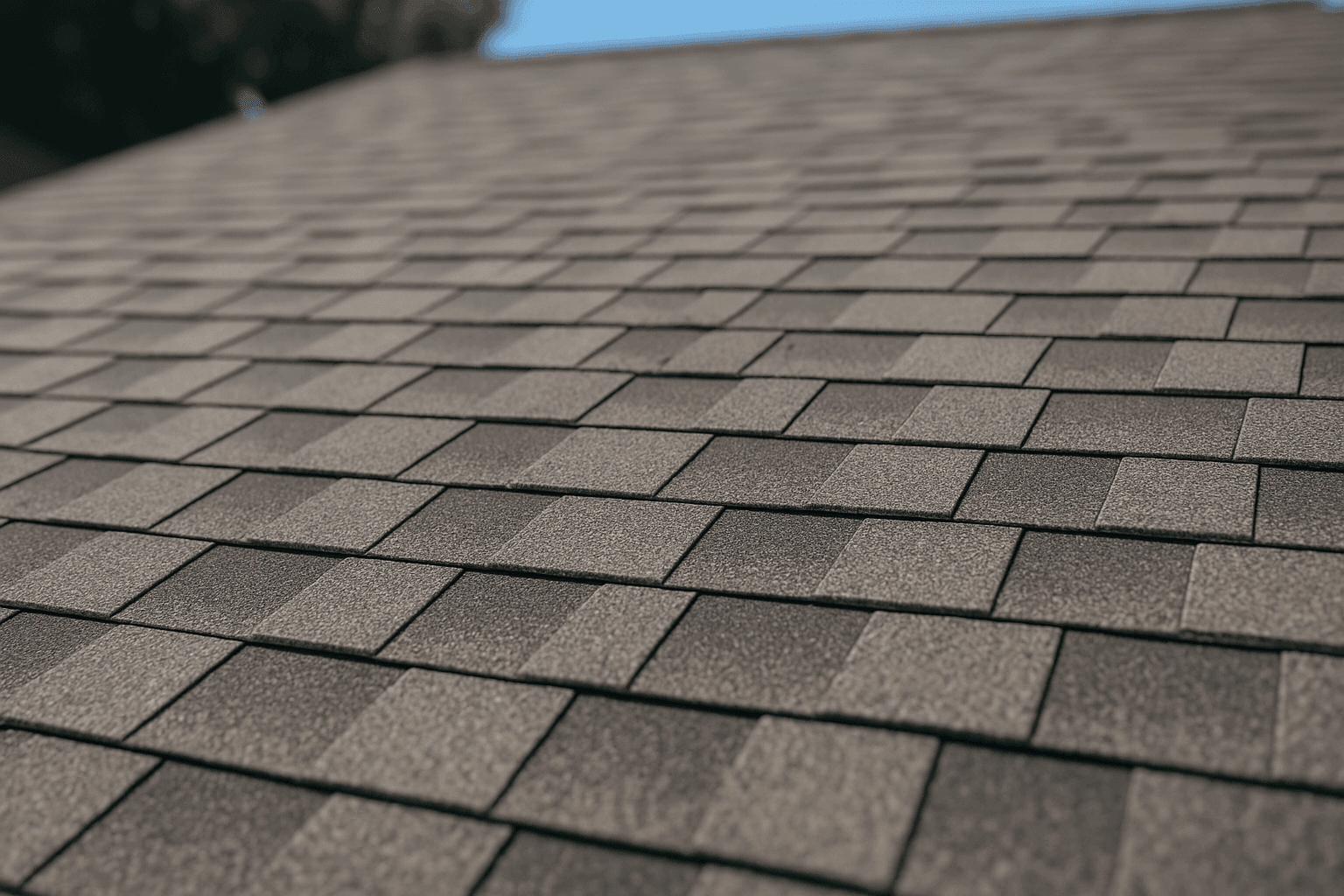
When your roof starts to fail, you feel it. Maybe it’s the drip-drip in a storm. Maybe it’s a shingle lying in your yard, torn loose by the wind. Roof trouble never waits for a convenient time—especially in emergency roofing situations.
At STL Roofing, we see homes and businesses every day with the same questions: What kind of shingle lasts? Which one fits my budget? Which holds up best against local weather? Let’s walk through the world of shingle roofing, plain and simple.
Types of Shingles 🏠
Shingles are like shoes for your roof. Some are built for speed (quick installs, lower cost), others for rugged journeys (tough storms, longer life). Here are the three most common shingle types we install for both homes and commercial properties:
Asphalt Shingles
- Most popular in North America.
- Lifespan: 15–25 years.
- Pros: Affordable, easy to install, wide color and style variety.
- Cons: Vulnerable to sudden hail or heavy winds. Can fade under harsh sun.
- Best Use: Standard homes, short- to mid-term property ownership, quick roof repair near you.
Architectural (Dimensional) Shingles
- Thicker, layered construction.
- Lifespan: 25–35 years.
- Pros: Better at shrugging off storms. More depth and texture—great curb appeal.
- Cons: Higher up-front cost than 3-tab asphalt. Heavier (needs a solid structure).
- Best Use: Upscale homes, commercial buildings needing a premium look, long-term investments.
Composite (Synthetic) Shingles
- Made from recycled plastics, rubber, or engineered polymers.
- Lifespan: 30–50 years.
- Pros: Mimic slate or wood shakes. Lightweight, tough, eco-friendly. Resist rot, insects, and algae.
- Cons: Most expensive. Can look less “authentic” up close.
- Best Use: Eco-conscious owners, historic districts, buildings with weight limits.
STL Roofing Portfolio Example
Recently, a local school needed a fast, durable fix after a storm. We installed architectural shingles for their blend of toughness and good looks, handling emergency roofing needs and long-term resilience. For a renovated historic home downtown, composite shingles gave the charm of wood shake—minus the fire risk.
Choosing the Right Shingle
Picking shingles isn’t just about color. It’s about how your building lives in the world. Ask yourself:
- How long do I plan to own this property?
- What’s the local weather like? (Think storms, sun, snow, or humidity.)
- Do I want to lower my energy bills?
- What’s my budget?
- Are there building codes or HOA rules in my area? (Check the International Building Code and your municipality’s guidelines.)
If you’re not sure, call STL Roofing. We walk you through choices—no jargon, just clear answers.
Warranty Information
- Asphalt: 10–20 years (manufacturer), plus possible labor warranty.
- Architectural: 20–30 years (manufacturer), some offer limited lifetime.
- Composite: 30–50 years (manufacturer), best for long-term peace of mind.
Remember, warranties often require regular inspections and maintenance (see below).
Maintenance Tips 🧰
A roof isn’t “set it and forget it.” Like a car, it needs regular check-ups:
- Inspect after every major storm.
- Keep gutters and downspouts clear. Water backup is a shingle’s enemy.
- Trim back tree branches—leaves trap moisture, limbs can gouge shingles.
- Check attic ventilation. Poor airflow “cooks” shingles from below.
- Watch for moss, algae, or dark streaks—signs of trapped moisture.
STL Roofing offers inspections and preventative maintenance to keep your shingle roof healthy.
Common Problems
No roof is immune to trouble. Here’s what we see most often:
Cracked or Curling Shingles
- Why: Age, sun exposure, or improper installation.
- Solution: Spot repairs or replace sections.
Missing Shingles
- Why: High winds, poor nailing, or animals.
- Solution: Replace missing pieces fast—open spots lead to leaks.
Granule Loss
- Why: Hail, foot traffic, or old age.
- Solution: If you see lots of granules in gutters, call for an inspection.
Leaks After Storms
- Why: Broken shingles, loose flashing, or clogged gutters.
- Solution: Emergency roofing services for quick sealing, followed by thorough repairs.
Local Climate Considerations 🌦️
In our region, roofs face wild weather swings. Asphalt shingles can soften in summer and go brittle in winter. Architectural shingles hold up better to hail and wind. Composite shingles shine in damp, tree-heavy neighborhoods—less rot, less moss.
Energy efficiency matters, too. Light-colored shingles reflect sunlight, lowering attic temps. Some synthetic shingles come with energy-saving coatings, helping your HVAC work less overtime.
Maintenance Tips
- Schedule annual roof inspections, ideally in spring or fall.
- Remove debris from your roof and gutters after storms.
- Replace damaged flashing around chimneys and skylights.
- Ensure attic insulation is up to code (consult the Department of Energy’s guidelines).
FAQ
How do I know when my shingles need replacing?
Look for curling, cracking, or bald spots. If you spot leaks indoors or notice a patchwork look outside, it’s time to call STL Roofing.
Are new shingles noisy during storms?
Properly installed shingles—especially architectural or composite—are engineered to dampen noise. Attic insulation also helps.
Can I layer new shingles over old ones?
Building codes often allow one additional layer, but it depends on your roof’s structure. Too many layers add weight and can hide problems.
Do shingles improve energy efficiency?
Yes. Modern shingles can reflect heat or include insulation layers, especially important in hot or mixed climates.
When It’s an Emergency
Storm just rolled through? Water coming in? Don’t wait. Emergency roofing means acting fast—tarping, sealing, and stopping leaks before more damage sets in. Our crew is always ready to help, day or night.
Closing Thoughts
Choosing the right shingle is about balancing looks, cost, and protection. With STL Roofing, you get honest advice, skilled installation, and a roof that stands up to whatever the sky throws at it.
Call STL Roofing now — or reach us anytime at 888-887-3097 .