Seasonal Roof Ventilation & Insulation: Maximize Efficiency Year-Round
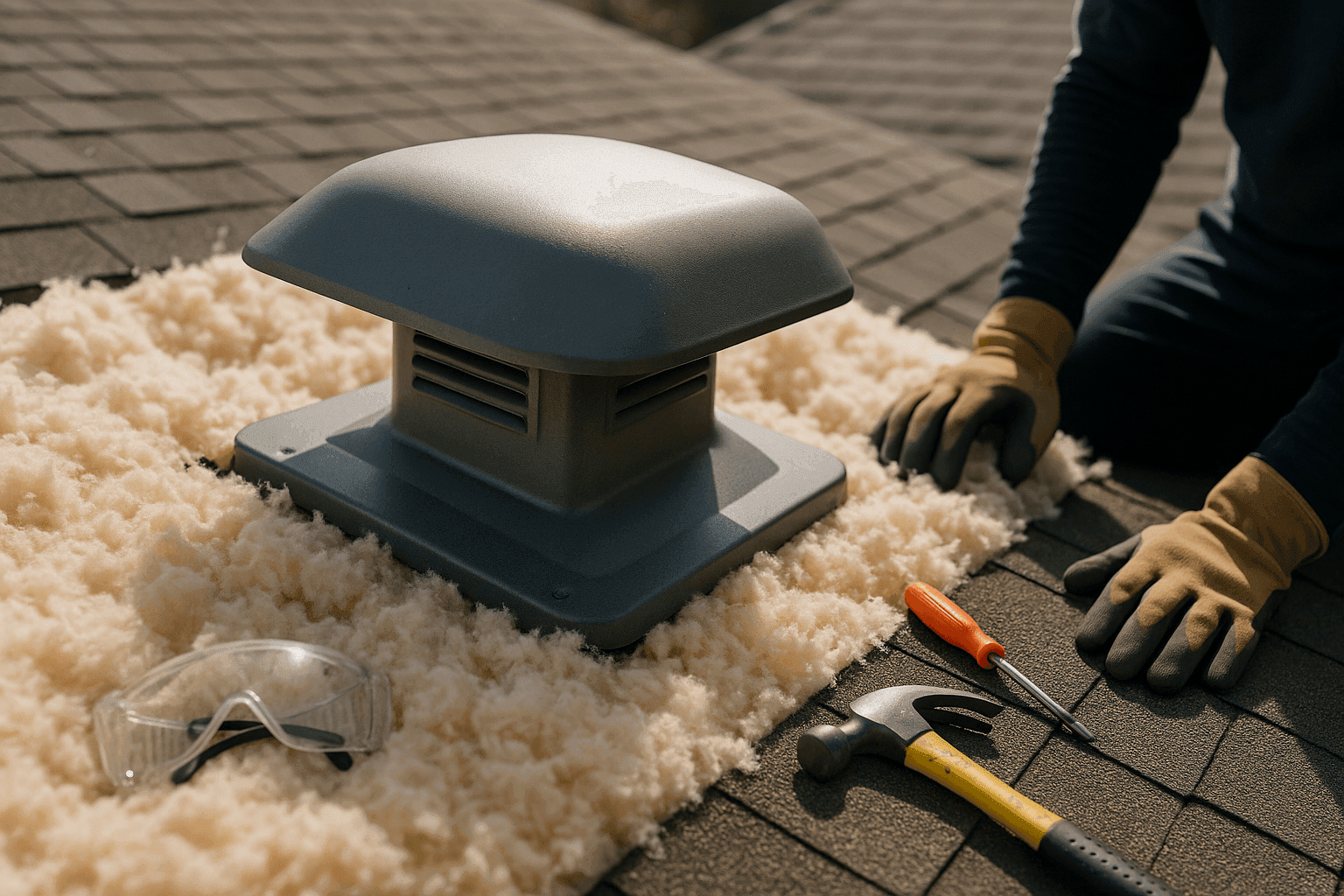
Is your roof working for you, or against you? Most people don’t think about what’s happening above their heads until there’s a problem. But proper roof ventilation and insulation are the unsung heroes of year-round comfort, energy savings, and protection.
At STL Roofing, we help homeowners and small business owners get ahead of roof issues with smart, seasonal care. If you want to avoid surprise leaks, sky-high bills, or emergency roofing calls, it’s time to look up—and dig in.
Why Roof Ventilation & Insulation Matter
Think of your roof as the hat for your building. Without the right fit and material, you’re left sweating in summer, shivering in winter, and vulnerable to every storm. Roof ventilation lets your home or business “breathe,” moving stale, hot, or damp air out of attic spaces. Insulation acts like a cozy blanket, keeping the right temperature inside.
When these two work together, you get:
- Stable indoor temperatures
- Lower energy costs
- Fewer moisture problems
- Longer roof lifespan
But if either one falls short, trouble brews.
Common Problems from Poor Ventilation or Insulation
- Ice dams: In winter, warm air trapped in the attic melts snow on the roof, which refreezes at the edges and causes leaks.
- Mold and mildew: Trapped moisture breeds unhealthy growth and damages wood, drywall, and insulation.
- Peeling paint and warped wood: Humidity from poor airflow can make surfaces buckle or crack.
- High energy bills: Your heating and cooling systems work overtime to make up for lost efficiency.
- Shortened roof life: Heat and moisture speed up wear and tear on shingles, decking, and structural elements.
Quick Safety Checklist for Seasonal Roof Care 🛡️
Before doing any work in your attic or on your roof, run through this list:
- Wear gloves, a mask, and protective eyewear.
- Use a sturdy ladder and have someone spot you.
- Watch for exposed nails, loose boards, or pests.
- Turn off power to attic fans or equipment before inspecting.
- Check local building codes or OSHA guidelines for safe practices.
If you’re ever unsure, call a professional. Safety first—always.
DIY or Call a Pro? Knowing Your Limits
Some ventilation and insulation tasks are safe to tackle yourself. Others demand skilled hands and specialized tools.
DIY-friendly tasks:
- Checking attic vents for dust or debris
- Spotting visible insulation gaps or moisture stains
- Monitoring for musty smells or drafts
Call a pro for:
- Installing or replacing vents, fans, or insulation
- Repairing structural damage or leaks
- Handling mold, pests, or electrical hazards
- Emergency roofing after storm damage
Remember, climbing onto your roof or working in tight attic spaces can be risky. If you’re not 100% confident, bring in the experts.
What Pros Do On Arrival
When STL Roofing arrives, we don’t just glance and go. Here’s what a typical visit includes:
Inspection
- Examine all roof vents, soffits, and ridge lines for blockages or damage
- Measure insulation thickness and coverage
- Look for signs of moisture, mold, or pest activity
- Check for leaks, cracks, or missing shingles
Diagnostics
- Use thermal cameras or moisture meters to find hidden issues
- Assess airflow patterns and attic temperature
- Identify code violations or outdated materials
Solutions
- Clear blockages and repair damaged vents
- Add or replace insulation to meet energy standards (referencing U.S. Department of Energy guidelines)
- Seal gaps, repair leaks, or install vapor barriers
- Recommend upgrades for energy efficiency, like eco-friendly insulation or smart ventilation systems
Prevention & Maintenance: Seasonal Steps
Each season brings new challenges. Here’s how to stay ahead:
Spring
- Clear out attic vents from winter debris
- Check for water stains or mold after snow melts
- Inspect insulation for settling or moisture
Summer
- Ensure vents are unobstructed for hot air to escape
- Add insulation if attic feels excessively hot
- Watch for signs of pest entry
Fall
- Remove leaves and debris from roof and gutters
- Look for damaged flashing or missing shingles
- Prepare insulation for colder weather
Winter
- Monitor attic for frost, condensation, or ice dams
- Check for drafts or cold spots near ceiling
- Schedule a mid-winter inspection if you suspect leaks
Pro Tip: Mark your calendar for twice-yearly roof checkups—before the cold and before the heat.
Costs & Time Factors
Roof ventilation and insulation projects vary widely in scope. Here’s what affects cost and timing:
- Size and type of roof: Larger or complex roofs take longer.
- Material quality: High-performance or eco-friendly options cost more but deliver better results.
- Access and safety needs: Steep, high, or hard-to-reach roofs may require extra equipment.
- Existing damage: Mold, rot, or leaks add repair steps.
Most inspections and minor maintenance take a few hours. Larger upgrades or emergency roofing repairs may stretch to a full day or more.
When It’s an Emergency
Some ventilation and insulation problems can’t wait:
- Sudden leaks after a storm
- Rapid mold growth or strong musty odors
- Ice dams causing water to drip indoors
- Severe drafts or temperature swings
If your comfort or safety is at risk, call STL Roofing right away. Emergency roofing isn’t just for big storms—hidden ventilation failures can be just as urgent.
Frequently Asked Questions
How often should I check my roof ventilation and insulation?
Twice a year is a good rule of thumb: once before winter and once before summer. After major storms or if you notice changes in comfort or energy bills, check again.
What’s the best type of insulation for attics?
Fiberglass batts, blown-in cellulose, and spray foam are common choices. The best fit depends on your roof type, climate, and budget. The U.S. Department of Energy offers guidance on recommended R-values.
Can poor ventilation really cause roof leaks?
Absolutely. Trapped moisture can rot decking and framing, leading to leaks even if shingles look fine.
Will better insulation lower my energy bills?
Yes—by keeping conditioned air inside, you reduce the load on heating and cooling systems. Many homeowners and business owners see noticeable savings.
Special Considerations for Roof Ventilation & Insulation
- Historic or older buildings may need custom solutions to balance airflow and preserve original materials.
- Flat roofs often require specialized venting and insulation strategies to prevent ponding and condensation.
- Metal and tile roofs have unique airflow needs compared to asphalt shingles.
- Commercial properties may have code requirements for fire safety, insulation, and ventilation that differ from residential standards.
Always consult with a professional who understands the full range of roofing systems and current building codes.
Ready to make your roof work smarter in every season? Call STL Roofing now — or reach us anytime at 888-887-3097 .