Seasonal Roof Maintenance Checklist: Protect Your Home Year-Round
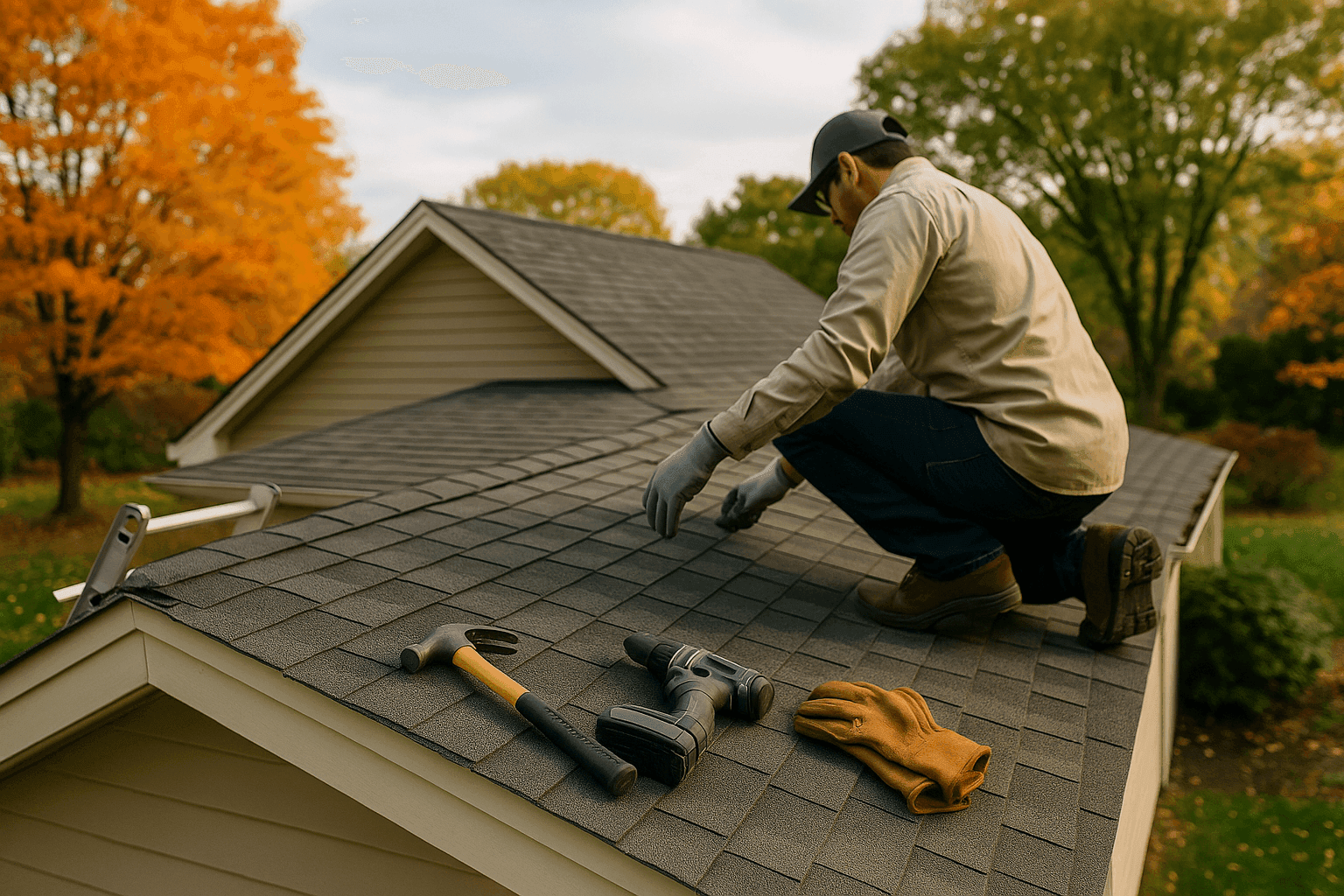
When a roof fails, it doesn’t give you a polite warning. One day it’s holding strong, and the next, water is dripping onto your favorite chair. Roof problems can sneak up on anyone—homeowners and small business owners alike.
That’s why regular, seasonal roof maintenance is as important as locking your doors at night. At STL Roofing, we know that a little attention now can save you from big headaches and emergency roofing calls later. Let’s walk through what to do—season by season—to keep your roof in top shape all year long.
Why Seasonal Roof Maintenance Matters
Think of your roof as a shield. It faces sun, storms, wind, and snow—sometimes all in one week. Over time, small issues like missing shingles or clogged gutters can turn into major leaks or even structural damage.
Regular maintenance is like taking your car in for an oil change. It’s not glamorous, but it keeps everything running smoothly and helps you avoid expensive surprises.
Quick Safety Checklist 🦺
Before you climb a ladder or grab your toolkit, keep safety front and center:
- Always use a sturdy, well-placed ladder
- Wear non-slip shoes and gloves
- Never walk on a wet or icy roof
- Watch for overhead wires and tree branches
- Have someone nearby in case you need help
If you’re not comfortable with heights or unsure about what you see, call a professional. Roof safety is serious business—no shortcut is worth a trip to the ER.
Spring: Shake Off Winter’s Grip
Spring is the perfect time to check for winter damage and prep for heavy rains.
Inspect for Winter Damage
- Look for missing, cracked, or curled shingles
- Check flashing around chimneys, skylights, and vents for gaps or rust
- Inspect your attic for water stains or mold—signs of hidden leaks
Clean Gutters and Downspouts
- Remove leaves, twigs, and debris from gutters
- Make sure downspouts direct water away from the foundation
- Check for sagging or loose gutter sections
Examine Ventilation & Insulation
- Peek into your attic—insulation should be dry and evenly spread
- Make sure roof vents are clear of nests or debris
Address Small Issues
- Replace cracked sealants around roof penetrations
- Tighten loose gutter hangers
Summer: Sun, Heat, and Sudden Storms
Hot weather can bake your roof, while summer storms can test its limits.
Check for Sun Damage
- Look for blistered, warped, or faded shingles
- Inspect metal flashing for signs of corrosion
Monitor for Storm Damage
- After strong winds or hail, check for dents, bruised shingles, or granule loss
- Remove branches or debris from the roof
Maintain Sealants and Coatings
- Inspect all sealants around skylights, vents, and chimneys
- Touch up or reapply as needed to prevent leaks
Preventative Maintenance
- Trim tree branches that hang over your roof
- Schedule a professional inspection if you spot anything suspicious
Fall: Prep for Rain, Wind, and Falling Leaves 🍂
Fall is when you get your roof ready for the coming cold and wet.
Clean Gutters Thoroughly
- Remove all leaves, pine needles, and debris
- Flush gutters and downspouts with water to check for blockages
Inspect Roof Flashing and Valleys
- Make sure flashing is tight and sealed
- Clean out roof valleys where debris collects
Check Attic Insulation and Ventilation
- Ensure insulation isn’t blocking vents
- Look for signs of animal nests or moisture
Prepare for Freeze/Thaw Cycles
- Repair cracked or missing caulk around joints and penetrations
- Check for loose or missing shingles
Winter: Ice, Snow, and Emergency Readiness ❄️
Winter is the season when small problems can turn into emergencies fast.
Watch for Ice Dams
- Keep gutters clear to prevent ice buildup
- Use a roof rake to remove heavy snow from the roof’s edge
Inspect for Leaks After Heavy Snow or Ice
- Check ceilings and attics for water spots
- Look for icicles—these can signal poor insulation or ventilation
Emergency Roofing Tips
- Keep STL Roofing’s number handy for urgent repairs
- Don’t climb on icy roofs—leave it to professionals
Safety First
- Never chip at ice with sharp tools—it can damage shingles
- If you notice sagging, call for emergency help immediately
DIY Roof Maintenance vs. Calling a Pro
You can handle plenty of basic maintenance tasks yourself—like cleaning gutters or removing light debris. But some jobs are better left to those with the right equipment and training.
DIY Tasks
- Gutter cleaning and downspout checks
- Removing debris from the roof surface
- Visual inspections with binoculars from the ground
When to Call STL Roofing
- If you see missing or damaged shingles
- Signs of leaks in the attic or ceilings
- Damaged flashing, skylights, or chimney caps
- After major storms or if you suspect hidden damage
Remember, roof work can be risky. If you’re ever in doubt, let a professional take over.
What STL Roofing Pros Do On Arrival
When you call STL Roofing, here’s what you can expect:
- Full exterior and attic inspection for damage or leaks
- Check all roof penetrations, flashing, and sealants
- Assess gutters, downspouts, and drainage
- Identify signs of mold, rot, or structural issues
- Provide clear, honest recommendations
Our team follows Occupational Safety and Health Administration (OSHA) guidelines to ensure every inspection and repair is done safely and thoroughly.
Prevention & Maintenance: The Year-Round Routine
A little routine care goes a long way. Here’s how to keep your roof strong:
- Clear debris from gutters and roof at least twice a year
- Inspect after every major storm
- Check attic for leaks or moisture regularly
- Trim back trees and remove overhanging branches
- Schedule a professional inspection yearly
Prevention isn’t just about saving money—it’s about protecting your investment and peace of mind.
Costs & Time Factors
Roof maintenance costs and timelines vary by roof type, size, and condition.
- Gutter cleaning: Usually takes a few hours
- Small repairs (shingles, flashing): Half a day or less
- Full inspection: 1–2 hours for most homes or small businesses
- Major repairs or replacements: Can take several days, depending on complexity
Investing a little time and money now can help you avoid the much higher costs of emergency roofing repairs or full replacements later.
When It’s an Emergency
Sometimes, despite your best efforts, emergencies happen.
- Sudden leaks during storms
- Major shingle loss after high winds
- Tree limbs crashing onto your roof
- Water pouring through ceilings
If you’re facing an emergency, stay calm. Move valuables out of harm’s way, collect dripping water in buckets, and call STL Roofing immediately. Fast action can minimize damage.
Frequently Asked Questions
How often should I inspect my roof?
We recommend inspecting your roof at least twice a year—spring and fall are best. Always check after big storms, too.
What are the most common signs of roof trouble?
Look for missing or damaged shingles, water stains on ceilings, sagging gutters, or moss growth. If you see any of these, it’s time for a closer look.
Can clogged gutters really cause roof leaks?
Absolutely. When gutters overflow, water can back up under your shingles and cause leaks, rot, or even foundation damage.
Is it safe to walk on my roof?
Walking on your roof can be dangerous and may also damage shingles. If you need to inspect, use binoculars from the ground or call a professional.
Special Considerations for Roof Maintenance
Every roof is different. Tile, metal, shingle, and flat roofs each have their own quirks. For example:
- Metal roofs need regular checks for rust and loose fasteners
- Flat roofs require special attention to drainage and ponding water
- Skylights and chimneys are common leak points—inspect them closely
Remember, building codes and safety standards (like those from the International Code Council) exist for a reason. Following them helps keep your property safe and sound.
Call STL Roofing now — or reach us anytime at 888-887-3097 .