Roofing for New Construction: What to Expect
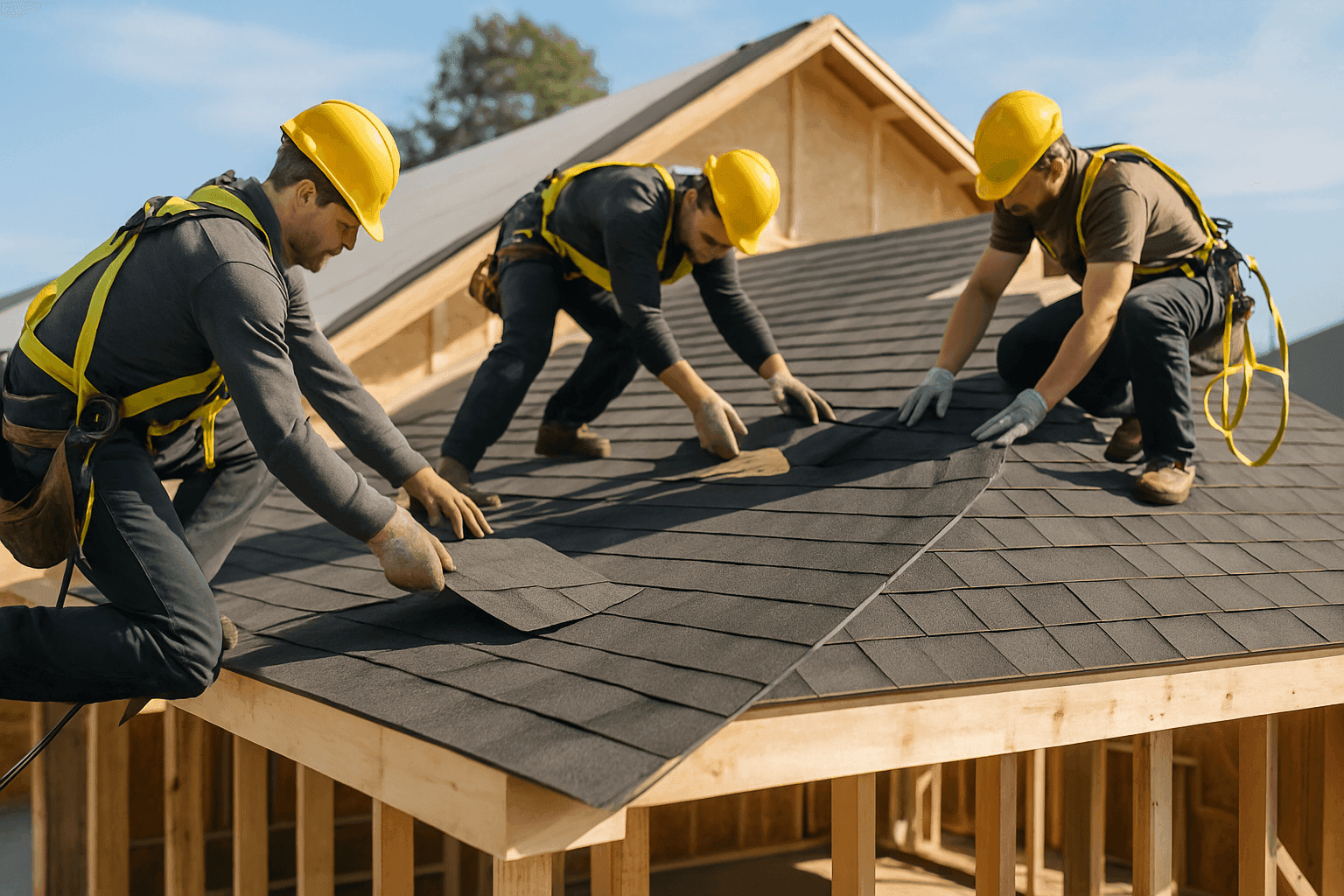
Building a new home or commercial space is a big leap. Every detail matters, right down to the very top—your roof. If you’re reading this, you probably want things done right the first time. STL Roofing understands how much is riding on a solid, weather-tight roof.
From emergency roofing needs on a tight timeline to the careful planning required for a custom build, we’ve seen it all. Here’s what to expect when starting a new construction roofing project, broken down step by step.
Roofing Materials for New Builds 🏗️
Choosing roofing for new construction is a bit like picking out shoes for a cross-country hike. Looks matter, but durability and fit matter more.
Popular Material Choices:
- Asphalt Shingles: Affordable and reliable for most residential jobs. Easy to repair.
- Metal Roofing: Longer lifespan, great for both homes and commercial buildings. Reflects heat, lowers energy use.
- Tile Roofing: Classic look, especially for Mediterranean or Spanish-style architecture. Heavy, so your structure has to support it.
- Flat Roof Membranes: For commercial roofs and modern homes. PVC, TPO, or EPDM—each with its own strengths.
- Eco-Friendly Options: Green roofs, recycled shingles, solar tiles. Good for the planet and for energy savings.
Quick Tip: Always check local building codes and HOA requirements before finalizing materials. The International Building Code (IBC) and International Residential Code (IRC) have the last word on what’s allowed.
Installation Timeline
No two builds are exactly alike, but most roofing projects for new construction follow a rhythm:
- Framing and Decking: The bones go up first. Roofers inspect everything for straight lines and solid support.
- Underlayment: Like a raincoat for your roof deck. Protects against leaks if the weather turns.
- Flashing and Sealants: Around chimneys, skylights, vents—anywhere water might try to sneak in.
- Material Installation: Shingles, metal, tile—now the roof starts to look like a roof.
- Gutters, Downspouts, and Ventilation: The finishing touches.
- Final Inspection: Every nail and seam gets checked.
Timeline:
- Small residential roofs: 1–3 days (after framing)
- Large or commercial roofs: 1–2 weeks, depending on complexity and weather
Surprises can happen—unexpected storms, material delays, or last-minute design changes. STL Roofing’s project managers keep you updated every step, so you’re never left guessing.
What to Expect During Construction
Picture a well-orchestrated symphony—lots of moving parts, each person playing their role. Here’s what you’ll see on-site:
- Early Morning Arrivals: Crews beat the heat and get started on time.
- Material Deliveries: Trucks may drop off shingles, metal panels, or rolls of membrane. Expect some noise.
- Safety Barriers and Tarps: Protecting your property is as important as building the roof itself.
- Frequent Communication: Daily progress updates. If there’s a weather delay, you’ll know right away.
- Quality Checks: Supervisors walk the site, fixing small issues before they become big problems.
- Site Cleanup: No stray nails left behind. The job isn’t done until everything is tidy.
Pro Tip: Make sure pets and small children are safely inside. Roofing work is loud and messy, but the right team keeps things safe and orderly.
Quality Control
Quality control isn’t just a final walk-through. At STL Roofing, it’s woven into every step. Think of it as a chef tasting the soup before serving.
- Material Verification: Everything on-site matches your specs—brand, color, thickness.
- On-the-Spot Adjustments: Found a warped deck board? It’s replaced right away.
- Flashing and Sealant Checks: Special attention to areas most likely to leak, like chimneys or valleys.
- Final Inspection: Supervisors walk the entire roof, checking fasteners, seams, and edges.
- Documentation: Photos and checklists ensure nothing gets missed.
- Warranty Coverage: Every new roof comes with clear documentation—what’s covered, for how long, and how to request service.
STL Roofing’s project management team makes sure the right people, right materials, and right process all line up—so your new roof stands strong through its first storm and many more.
Safety Checklist for New Construction Roofing 🦺
Safety is like the seatbelt of the job site—never optional.
- Hard hats, safety vests, and non-slip boots for all crew
- OSHA-compliant fall protection systems
- Ladders and scaffolding set on stable ground
- Clear walkways—no tripping hazards left behind
- All tools checked and maintained daily
- First aid kit on site
Check out OSHA’s Construction Safety Standards for more details.
DIY vs. Call a Pro
Installing a new roof isn’t like repainting a bedroom. One wrong step, and you’re looking at leaks, code violations, or worse.
DIY Risks:
- Personal injury (roofs are high, and gravity never takes a break)
- Missed code requirements
- Voided manufacturer warranties
- Hidden leaks or improper drainage
When to Call STL Roofing:
- Any new construction project, large or small
- Unusual roof shapes or features (skylights, chimneys, multiple valleys)
- Tight timelines or bad weather in the forecast
- Commercial properties with strict building standards
What Pros Do On Arrival
The best pros don’t just show up and start hammering.
- Review blueprints and plans
- Inspect the deck and framing for issues
- Unload materials and set up safety barriers
- Walk through the plan with the construction manager
- Begin installation—methodically, one section at a time
STL Roofing crews arrive ready. They check, double-check, and communicate—so you’re never left in the dark.
Prevention & Maintenance
A new roof is an investment. Keep it strong with a little care:
- Schedule annual inspections (especially after storms)
- Clean gutters and downspouts every season
- Watch for loose shingles or flashing
- Trim tree branches away from the roof
- Address small leaks fast—before they become big problems
The National Roofing Contractors Association (NRCA) recommends regular maintenance to extend roof life and avoid emergency roofing situations.
Costs & Time Factors
Every new construction roof is unique. Costs depend on:
- Material choice (shingles, metal, tile, membrane)
- Roof size and pitch
- Number of cutouts (skylights, chimneys, vents)
- Local labor rates and permit fees
- Weather delays or special site conditions
Time Factors:
- Most residential roofs: 1–3 days after framing
- Complex or commercial builds: 1–2 weeks
Quick jobs can be tempting, but quality work takes time. STL Roofing balances speed with attention to detail—so you don’t trade a quick finish for future repairs.
When It’s an Emergency
Sometimes, the unexpected happens mid-build—a storm rolls in, or a tree limb crashes down. Emergency roofing is about rapid response and smart solutions.
STL Roofing’s crews are ready for:
- Temporary weatherproofing
- Fast debris removal
- Emergency leak repair
- Quick inspections to keep your build on schedule
You won’t have to search “Roof Repair near you” in a panic. Our team is on call for urgent needs, day or night.
FAQ
Q: What’s the most durable roofing material for new construction?
A: Metal roofing often tops the list for longevity and weather resistance, but the best choice depends on your climate, architecture, and budget.
Q: How soon can I schedule a new roof installation?
A: Scheduling depends on crew availability, weather, and material lead times. Contact STL Roofing early in your project to reserve your spot.
Q: Do I need to be on-site during construction?
A: It’s not required, but regular check-ins are a good idea. STL Roofing provides daily progress updates.
Q: How do I know my roof meets code?
A: STL Roofing follows all local and national codes (refer to the IBC and IRC), and every roof passes a final inspection before sign-off.
Local/Seasonal Considerations 🌦️
Missouri weather is unpredictable. Hot summers, icy winters, and spring storms all influence the roofing schedule.
- Summer: Early starts to beat the heat. Watch for afternoon thunderstorms.
- Winter: Some materials need warmer temps to seal properly.
- Spring/Fall: Ideal for most roofing work—mild weather, fewer delays.
Plan your build with the seasons in mind. STL Roofing’s project managers help you navigate local quirks, from permit timelines to the best installation windows.
Ready to put a strong roof over your new space?
Call STL Roofing now — or reach us anytime at 888-887-3097 .