Roof Sealants & Coatings: Do They Really Extend Roof Life?
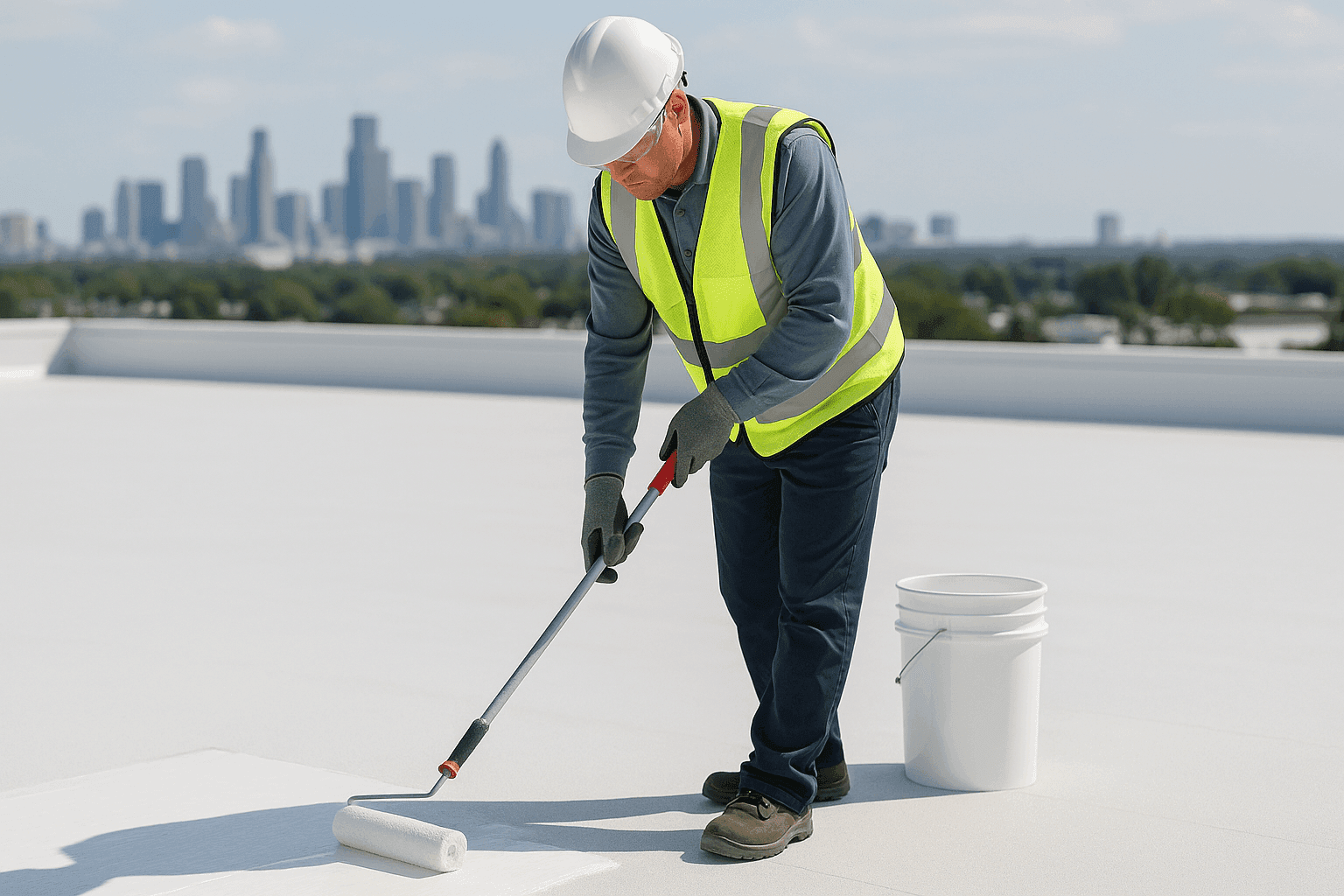
Is your roof starting to show its age? Maybe you’re worried every thunderstorm could mean another puddle in your hallway. At STL Roofing, we know that stress. We’ve seen roofs on homes and businesses take a beating—sometimes overnight, sometimes over years.
If you’re searching for “Roof Repair near you” or desperate for emergency roofing help, you might be wondering if a sealant or coating could save your roof—and your wallet. Let’s dig in.
When to Use Roof Sealants & Coatings 🛡️
Roof sealants and coatings aren’t miracle cures. They’re more like a raincoat for your home or business. Used right, they can buy your roof time and protection. Used wrong, and they can trap trouble beneath a shiny surface.
Types of Roof Sealants and Coatings
- Acrylic Coatings: Great for reflecting sunlight. Common on commercial flat roofs.
- Silicone Sealants: Best for leak-prone areas and standing water. Think flat roofs or metal seams.
- Polyurethane Coatings: Tough and flexible, ideal for foot-traffic roofs.
- Bitumen-Based Sealants: Often used on older or asphalt-based roofs.
- Elastomeric Coatings: Stretchy, good for roofs that expand and contract with the weather.
Where They Work Best
- Flat Roofs: Coatings can create a seamless barrier. They help slow leaks and reflect heat.
- Metal Roofs: Sealants keep seams and fasteners watertight. Coatings help prevent rust.
- Aging Shingles: Some products can refresh brittle shingles, but don’t expect miracles on a roof that’s already falling apart.
When Not to Use Them
Sealants and coatings won’t fix major structural issues, rotten decking, or a roof that’s already failing. Think of them as sunscreen—not plastic surgery.
Pros and Cons
Let’s keep it real. Sealants and coatings have upsides and downsides.
Pros
- Cost-effective compared to full roof replacement.
- Quick to apply—many jobs take one day.
- Reduces energy bills (reflective coatings can lower attic temps).
- Can stop minor leaks fast.
- Extends roof life—sometimes by years, if applied at the right time.
Cons
- Not a fix for deep damage. If water’s already beneath, you’re just buying a short pause.
- Needs prep. Dirty or wet surfaces mean poor adhesion.
- Not for every roof age. Very old or crumbling roofs usually need more than a coating.
- Regular recoating. Some surfaces need fresh applications every 5–10 years.
Application Process
Applying roof sealant or coating isn’t just rolling on paint. There’s a science—and an art—to doing it right.
STL Roofing’s Application Standards
- Inspection: We check for hidden leaks, soft spots, and code compliance (see International Building Code, Section 1507).
- Prep: Clean roof with pressure wash (if safe). Remove debris, moss, and loose material.
- Repairs: Fix minor cracks or replace damaged flashing. Sealant over a problem just hides it.
- Dry Time: Roof must be bone-dry. Moisture means bubbles, peeling, and future leaks.
- Application: Apply in ideal weather (50–85°F, dry, low wind). Use brushes, rollers, or sprayers as required by manufacturer.
- Curing: Allow full cure time (usually 24–48 hours) before rain or foot traffic.
We follow all safety standards from OSHA and local codes—never cut corners.
DIY vs. Call a Pro
Some folks try to coat their own roofs. For small, accessible flat roofs, it’s possible. But remember:
- Sloped or high roofs are dangerous.
- Missed prep or poor application means wasted money.
- Hot weather, wind, or rain can ruin the job.
If you’re not 100% sure—or the roof is high or complex—call professionals who handle emergency roofing every day.
Signs You Need Recoating
How do you know it’s time? Watch for:
- Fading or chalky surface. UV rays break down coatings.
- Peeling or blisters. Trapped moisture or old age.
- New leaks. Especially after storms.
- Visible seams or cracks. These are weak points.
If your commercial flat roof or metal panels look tired, it’s probably time for a pro inspection.
Cost/Benefit Analysis
Let’s talk numbers—without promising the moon.
- Coatings: Typically cost 10–30% of a new roof.
- Energy Savings: Reflective coatings can reduce cooling costs by 10–20% (per U.S. Department of Energy).
- Added Years: Many coatings can add 5–10 years—if the roof beneath is solid.
- Downtime: Commercial coatings often enable you to keep business running, unlike a full tear-off.
But remember: If your roof is already saturated or failing, money spent on coating is probably money wasted.
Application Process: Step-by-Step
- Safety first. Harnesses, boots, and proper ventilation.
- Clear roof. Remove debris, branches, and old sealant.
- Clean surface. Pressure wash if possible.
- Dry completely. Wait for a clear, dry spell.
- Repair first. Address any leaks or flashing issues.
- Prime if needed. Some surfaces (like rusty metal) need primer.
- Apply coating/sealant. Even, with proper coverage.
- Let cure. Stay off roof until fully dry.
Always follow product-specific safety guidelines and check local building codes for approval.
Signs You Need Recoating
- Fading or yellowing.
- Surface chalking.
- Blistering or peeling.
- Water intrusion after storms.
- Visible cracks or exposed seams.
A quick roof inspection—especially after a wild storm—can save big headaches later.
Local and Seasonal Considerations
Here in the Midwest, we battle freeze-thaw cycles, hail, and humidity. For STL Roofing, timing is key:
- Spring and fall: Best for application (mild temps, drier air).
- Winter: Not ideal—cold can prevent proper curing.
- Summer: Morning or evening only, to avoid blistering heat.
Always check the weather before scheduling coating or sealant jobs.
Frequently Asked Questions
Will coatings stop all leaks?
No. Coatings are best for small leaks and surface issues. Structural or hidden leaks need full repair.
How long does a roof coating last?
Most last 5–10 years. Some premium products longer, but only with regular maintenance.
Can coatings be used on shingle roofs?
Sometimes—but usually only specialty products. Most shingles need repair or replacement, not a coating.
Is there an eco-friendly option?
Yes! Many acrylic and silicone coatings are low-VOC and ENERGY STAR rated, helping reflect heat and reduce cooling needs.
Cost and Time Factors
- Residential jobs: Usually finished in a day or two.
- Commercial jobs: Larger projects may take longer, depending on prep and surface area.
- Materials: Prices vary by product and roof type.
- Labor: Complex roofs cost more—especially if access is tough or repairs are needed before coating.
Remember, a pro inspection up front saves money in the long run.
Practical Tips from STL Roofing
- Inspect your roof every spring and fall—especially after storms.
- Clean gutters and downspouts before coating.
- Don’t coat over wet or moldy surfaces.
- Hire certified, insured contractors who follow OSHA and local code requirements.
When It’s an Emergency
If there’s water pouring in or your business is at risk, coatings are not a quick fix. Call for emergency roofing help. We can tarp, patch, and stabilize—then talk coatings when the weather clears.
Call STL Roofing now — or reach us anytime at 888-887-3097 .