How Much Does Roof Replacement Cost? A 2024 Guide
A leaky ceiling isn’t just a nuisance. It can be a full-on stress test for your household or business. We know how it feels—the scramble to protect what matters, the uncertainty about repair costs, and the need for answers right away. At STL Roofing, we’re here to break down the numbers and give you a clear path forward.
Roof replacement is a big decision. Whether you’re facing storm damage, old age, or just want to upgrade, understanding what goes into the cost can help you plan wisely—without any nasty surprises.
Roof Cost Factors 🏠
There’s no one-size-fits-all answer for "How much does a new roof cost?" Several ingredients blend together to make up your final price tag. Think of your roof like a pizza: every topping (material, size, slope) changes the total.
Here’s what matters most:
- Size of the roof: Bigger spaces mean more materials and labor. Most roofs are measured in “squares” (100 square feet).
- Material choice: Asphalt shingles, metal, tile, or slate—each has a unique cost, lifespan, and look.
- Pitch and complexity: Steep or intricate roofs require extra safety measures and time.
- Labor rates: Installation costs vary based on local wages and availability of skilled roofers.
- Region and climate: Harsh weather or regional code requirements can make jobs trickier and more costly.
- Removal of old roofing: If your current roof needs to be torn off, factor that into your budget.
- Emergency roofing needs: Fast, after-hours work may raise labor costs.
According to the National Roofing Contractors Association (NRCA), these factors should always be considered in your project planning.
Material Price Comparison
The material you choose shapes your budget—and your building’s future. Here’s how some common choices stack up, with average national price ranges per square foot (materials + installation, 2024 data):
Asphalt Shingles
- Low initial cost
- Easy to install and repair
- Lifespan: 15–30 years
Metal Roofing
- Higher upfront, lower maintenance
- Fire and wind resistant
- Lifespan: 40–70 years
Tile Roofing
- Distinctive style
- Heavy (may need extra structural support)
- Lifespan: 50–100 years
Slate Roofing
- Premium price
- Natural stone beauty, very durable
- Lifespan: 75+ years
Flat Roofs (TPO, EPDM, Modified Bitumen)
- Varied cost
- Suited for commercial and modern residential
- Lifespan: 15–30 years
Other Options
- Eco-friendly roofs (green roofs, solar): unique upfront and maintenance costs
- Synthetic materials: mimic classic looks with different price points
Tip: Always ask about warranties, and check if your materials meet local building codes or ENERGY STAR® standards for efficiency.
Hidden Costs to Watch 👀
Like finding a surprise pepper in your salad, roof projects can hide extra expenses. Budget for:
- Permits and inspections: City rules often require both.
- Structural repairs: Discovering damaged decking or supports during removal.
- Disposal fees: Hauling away old shingles and debris.
- Ventilation and insulation upgrades: Required by modern building codes for energy savings.
- Flashing, gutters, and downspouts: Often need repair or replacement during roof work.
- Skylight or chimney work: If you have them, factor in possible repairs or flashing replacement.
How to Budget for Roof Replacement
Planning ahead is like having an umbrella on a cloudy day—it keeps you dry when costs rain down. Here’s how to shape your budget:
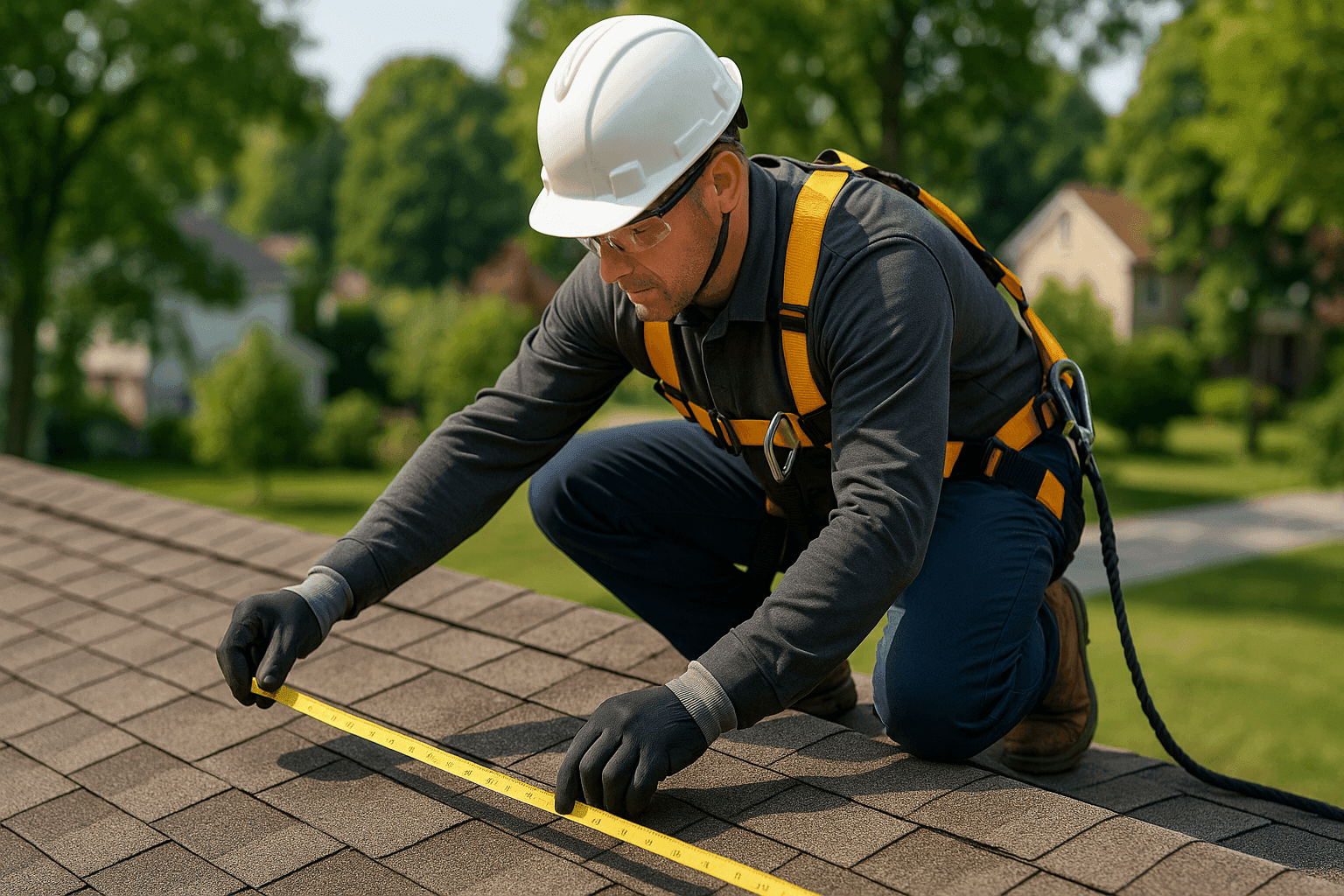
- Measure your roof: Multiply length x width of each roof section to estimate area (add for complex shapes).
- Pick your material: Weigh the pros, cons, and price for your needs and style.
- Assess condition: Do you need structural repairs or just new shingles?
- Get multiple quotes: Always compare, but ensure you’re looking at apples-to-apples bids.
- Ask about payment plans: Roofing is a big investment—many companies (including STL Roofing) offer financing.
Simple Roof Cost Calculator
Take your roof’s square footage and multiply by the average cost per square foot for your chosen material. For example:
- 1,500 sq ft asphalt shingle roof x $6/sq ft = $9,000
- 2,000 sq ft metal roof x $12/sq ft = $24,000
Remember, these are averages. Local rates, complexity, and emergencies can shift your numbers up or down.
For help with financing, check out established lenders like GreenSky, EnerBank, or your local credit union. Many offer home improvement loans tailored for roofing projects.
STL Roofing’s Transparent Pricing Promise
No one likes surprise costs. That’s why STL Roofing gives you clear, upfront pricing—detailed in writing—so you know exactly what your investment covers. Our work comes with a satisfaction guarantee, and our team is always ready to answer your questions or walk you through the process, step by step.
Practical Tips to Save
- Schedule in off-peak seasons: Spring and late fall can see better rates.
- Bundle repairs: Combine gutter, skylight, or flashing work for package savings.
- Maintain your roof: Regular inspections and cleaning (at least twice a year) can prevent emergency roofing costs down the road.
- Check your homeowner’s insurance: Storm or hail damage may be covered—review your policy!
FAQ: Roof Replacement Questions
How long does a roof replacement take?
Most residential jobs finish in 1–3 days. Large or complex roofs may take up to a week. Weather and emergency roofing needs can affect timing.
Can I stay in my home during replacement?
Usually, yes. Expect some noise and vibrations. For major structural repairs, you may need to relocate temporarily.
What’s the life expectancy of different materials?
- Asphalt shingles: 15–30 years
- Metal: 40–70 years
- Tile: 50–100 years
- Slate: 75+ years
Routine maintenance can extend any roof’s lifespan.
Do I need to replace gutters and downspouts too?
Not always, but it’s a good time to inspect them. Replacing them during roof work can save on future labor costs.
Local and Seasonal Considerations 🌦️
In our St. Louis region and across the Midwest, weather can swing from humid summers to icy winters overnight. Seasonal storms, high winds, and hail can all speed up roof wear. Missouri’s building codes—based on International Building Code (IBC) and International Residential Code (IRC) guidelines—require specific materials and installation practices to withstand local conditions.
If you’re searching for “Roof Repair near you” after a storm, timing matters. Emergency roofing services may cost more during peak disaster seasons, but fast action protects your property from further harm.
Conclusion: Plan Smart, Roof Strong
Replacing your roof is a big step—but with the right info, it doesn’t have to be a leap into the unknown. Use the guide above to plan your project, from materials and budgeting to what to expect during installation. If you need fast help, STL Roofing’s emergency roofing team is ready—day or night.
Call STL Roofing now — or reach us anytime at 888-887-3097 .