The Complete Roof Inspection Checklist for Homeowners
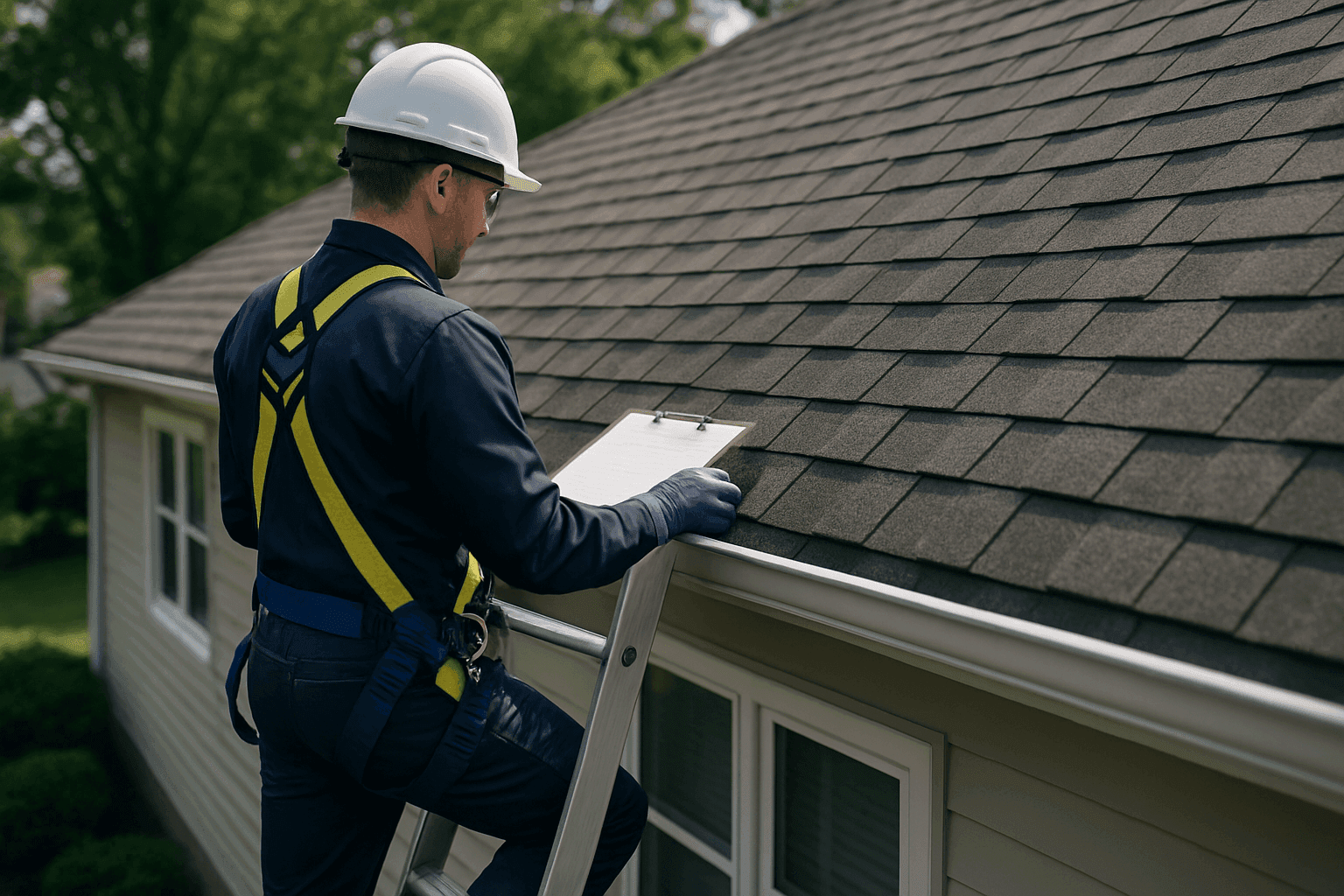
Roof trouble doesn’t wait for a convenient time. Whether it’s the first cold snap of winter, a spring downpour, or the aftermath of a summer hailstorm, your roof takes the hit. Homeowners often notice leaks or missing shingles when it’s already too late. That’s stressful, expensive, and—if you’re not careful—dangerous.
At STL Roofing, we know the headaches that come with emergency roofing calls. That’s why we’ve created this straightforward, no-nonsense checklist. It’s designed for everyday homeowners, not construction pros. Use it to spot trouble early, keep your family safe, and know when to search for “Roof Repair near you.” Let’s get started.
Pre-Inspection Safety 🦺
Before you grab a ladder or step into the attic, stop for a moment. Roof inspections aren’t worth risking your neck. According to the National Safety Council, falls are the leading cause of home injury deaths. Safety isn’t optional—it’s the whole foundation.
Safety First Checklist:
- Choose a dry, calm day—never inspect during rain, snow, or high wind.
- Use sturdy shoes with good grip.
- Inspect your ladder: Is it rated for your weight? Are the feet secure?
- Let someone know you’re working outside. Better yet, have them spot you.
- Only climb if you’re comfortable with heights. Otherwise, stick to ground views and binoculars.
- Never walk on wet, icy, or mossy roofs.
- Wear gloves, long sleeves, and eye protection, especially around debris or gutters.
If you have any doubts, don’t climb. Many problems can be spotted from the ground or attic.
What to Look For (By Material)
Your roof might seem as solid as a castle wall, but it’s more like a shield—layered, and vulnerable in spots. Different materials show damage in different ways.
Asphalt Shingles
- Cracked, curled, or missing shingles
- Granule loss (find sand-like grit in gutters or at downspouts)
- Bald spots or discoloration
- Exposed nail heads
Metal Roofing
- Rust patches or streaks
- Loose or missing fasteners
- Bent or uplifted seam edges
- Dents (hail is the usual culprit)
Tile Roofing
- Broken, slipped, or missing tiles
- Visible underlayment
- Moss or algae growth between tiles
- Cracks or chips—especially after a freeze
Flat Roofs
- Blisters, bubbles, or ponding water
- Loose seams or flashing
- Cracks in sealant or coatings
- Soft or spongy spots (watch for rot or hidden leaks)
Slate or Specialty Roofs
- Slipped or broken slates
- Rusted nails (they can “bleed” rust stains)
- Uneven rows or gaps
Tip: Use a camera or smartphone with a zoom lens to get a closer look from the ground.
Common Problem Areas (Flashing, Vents, Gutters) 💧
Roofs rarely leak in the middle. Water sneaks in at weak spots—like doors left ajar.
Flashing
- Bent, loose, or rusted metal around chimneys, skylights, or valleys
- Gaps where flashing meets brick or siding
- Dried or cracked sealant
Vents & Penetrations
- Damaged or missing vent covers
- Gaps around pipes or satellite dishes
- Stains or dark streaks on vent pipes
Gutters & Downspouts
- Clogged with leaves, twigs, or shingle granules
- Sagging or pulling away from the fascia
- Leaks at seams or corners
- Downspouts disconnected or draining too close to foundation
Don’t forget: Clean gutters reduce roof leaks and prevent ice dams in winter.
When to Call a Pro
Some things are better left to the folks with harnesses, insurance, and years of experience. Call STL Roofing if you see:
- Signs of a serious leak (water stains, peeling paint, mold, or musty smells inside)
- Damage after a heavy storm or hail
- Large areas of missing or loose shingles/tiles
- Sagging roof lines or visible dips
- Soft spots or rot around eaves or attic framing
If you find anything that makes you nervous, don’t wait. Emergency roofing issues can escalate fast.
Seasonal Reminders
Roofs work hardest when the weather’s at its worst. Make these quick checks part of your spring and fall routines.
Pre-Winter
- Remove debris, leaves, and branches from roof and gutters
- Check for loose shingles or tiles before freeze-thaw cycles
- Inspect attic for signs of leaks or poor insulation
- Make sure flashing is snug and sealed
Post-Storm
- Walk around your home—look for missing shingles, dented metal, or fallen branches
- Check attic for new water stains
- Inspect gutters for granules or debris
- Note any changes in roofline or new dips
Rain, wind, hail, and ice can turn small issues into emergencies overnight.
STL Roofing’s Inspection Expertise
Our team looks beyond the surface—literally. With advanced tools and decades of hands-on experience, STL Roofing examines every layer, from shingles to decking. We use moisture meters, infrared cameras, and tried-and-true methods to spot hidden leaks and weak spots. Plus, we follow International Residential Code (IRC) safety guidelines and OSHA standards on every job.
DIY vs. Call a Pro
It’s tempting to do it all yourself. But roof work isn’t like painting a room—the stakes are higher. DIY inspections are perfect for quick checks, but repairs, especially above the soffit, should be handled by professionals with safety equipment.
DIY:
- Visual checks from the ground
- Attic inspections for leaks or drafts
- Gutter cleaning (if comfortable on a ladder)
Call STL Roofing:
- Anything involving climbing on the roof
- Structural repairs
- Complex leak tracing
- Post-storm or insurance inspections
What Pros Do On Arrival
When you call STL Roofing for a professional assessment, here’s what to expect:
- Full exterior walk-around, including roofline, gutters, and downspouts
- Attic inspection for hidden leaks, mold, or insulation gaps
- Close examination of flashing, valleys, and penetrations
- Detailed documentation (photos, notes)
- Honest, jargon-free recommendations for next steps
We’re always ready for emergency roofing calls, but we’d rather help you prevent them.
Prevention & Maintenance
A little attention now keeps the drip, drip, drip away later. Here’s how homeowners can extend roof life:
- Clean gutters twice a year
- Trim overhanging branches
- Check attic ventilation and insulation
- Remove moss or algae with gentle cleaners
- Schedule professional inspections every 1–2 years
Regular maintenance is cheaper—and less stressful—than a midnight emergency.
Costs & Time Factors
Not all roof issues are created equal. Here’s what affects inspection and repair timing:
- Size and pitch of your roof: Steep, large roofs take longer.
- Material: Tile and metal require special attention.
- Access: Blocked or multi-level roofs add time.
- Severity: Small repairs can be same-day; major fixes may take longer.
Most residential inspections take 1–2 hours. Emergency roofing repairs can be started immediately if needed, but full replacements may require permitting and weather cooperation.
When It’s an Emergency 🚨
You know it’s an emergency when:
- Water is entering your home—actively dripping or pooling
- There’s visible structural sagging or collapse risk
- After a tornado, hurricane, or severe hailstorm
- Shingles or tiles are scattered on the ground
First, get everyone to safety. Then, protect valuables with tarps or buckets. Call STL Roofing right away for emergency roofing help. Fast action can mean the difference between a simple patch and a major overhaul.
FAQ
How often should I inspect my roof?
Twice a year—once in the spring, once in the fall. Add an extra check after severe storms.
Can I spot all problems from the ground?
Not always. Binoculars help, but hidden leaks or structural issues often require attic or on-roof inspection.
Are roof inspections covered by insurance?
Check your policy. Insurers usually require documentation after storms, but routine checks are often out-of-pocket.
What’s the most common cause of emergency roofing repairs?
Storm damage tops the list—wind, hail, and falling branches. But clogged gutters and old flashing are close runners-up.
Local/Seasonal Considerations
Midwestern homes face freeze-thaw cycles, ice dams, and heavy spring storms. In hot, sunny climates, UV rays crack and curl shingles faster. Wherever you live, keep an eye on weather advisories and add a roof check to your “post-storm” to-do list.
Take care of your roof, and it’ll take care of you. For peace of mind—or if you’ve spotted something that worries you—reach out now.
Call STL Roofing now — or reach us anytime at 888-887-3097 .