Roof Decking & Structural Repairs: What Homeowners Need to Know
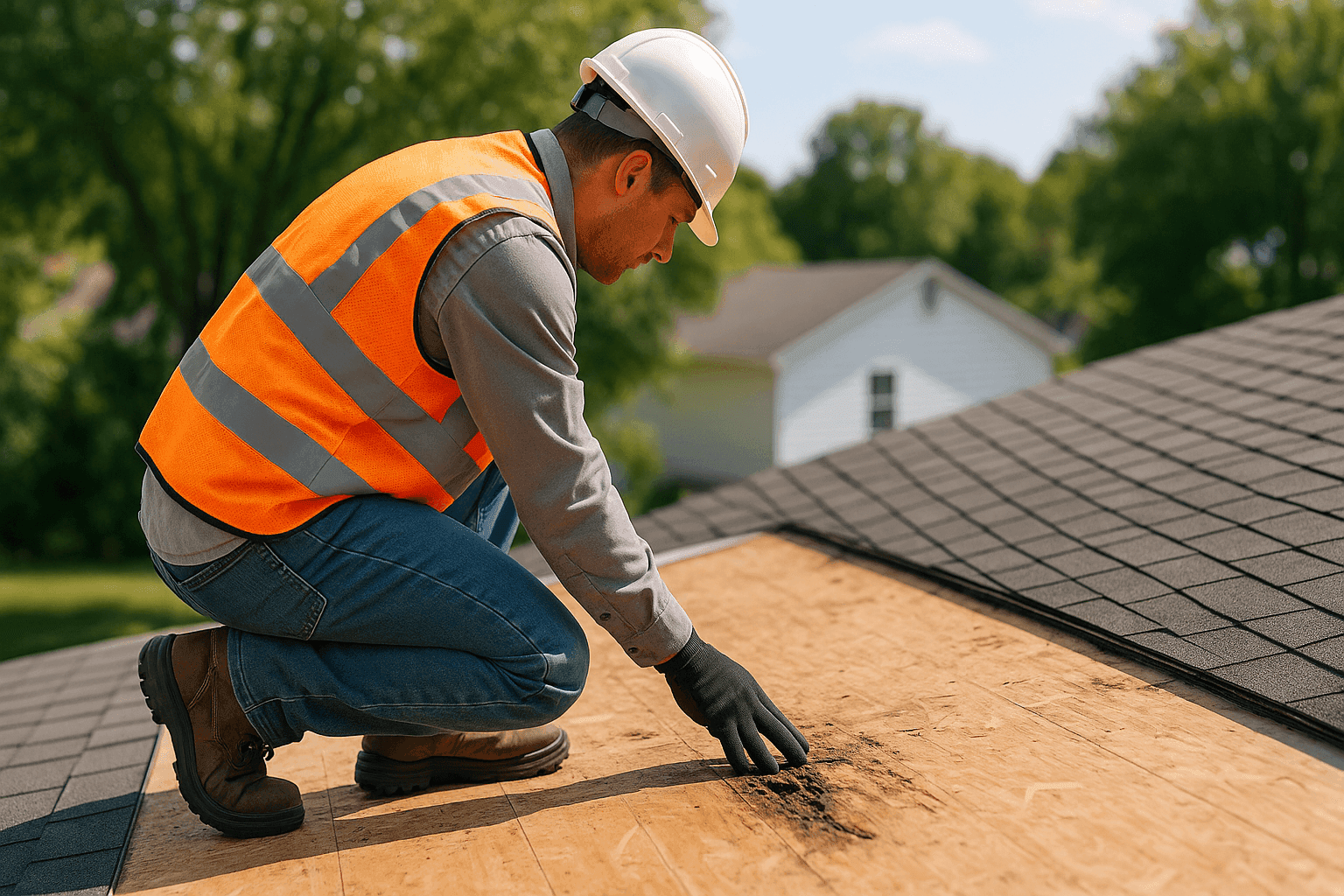
When a roof starts to sag, or water stains bloom across your ceiling, your mind races: Is this a quick fix—or the start of something bigger? At STL Roofing, we've seen the smallest leaks reveal deep structural trouble underneath. You’re not alone in worrying about the bones of your roof.
The good news: with fast action and the right information, even major roof decking and structural problems can be solved. Whether you’re a homeowner or manage a commercial property, understanding what’s under your shingles is the first step toward a secure, dry building.
What Is Roof Decking? 🏠
Imagine your roof as a layered cake. The decking is the sturdy base—usually made of plywood or oriented strand board (OSB)—where every other layer sits. It’s the unsung hero, holding up shingles, tiles, and all the stuff that keeps the weather out.
Key Facts
- Decking is structural. It ties rafters and trusses together, making your roof strong.
- Types: Plywood, OSB, and sometimes tongue-and-groove planks for older homes.
- Location: Directly beneath your waterproofing layers and shingles.
If the decking fails, the whole roof is at risk. Think of it like the subfloor under your carpet: if that rots, nothing above it is safe.
Simple Diagram
[ Shingles ]
     |
[ Underlayment ]
     |
[ Roof Decking ]  <--- The "base" layer
     |
[ Rafters/Trusses ]
Signs of Structural Issues
Not every roof problem is obvious, but some warning signs scream for attention.
- Sagging: Look for dips or waves along your roofline or ceilings.
- Musty Smells: Persistent dampness or mildew odor in the attic signals moisture trapped in the decking.
- Visible Rot: Dark, soft, or crumbling wood in the attic.
- Cracks and Sunlight: If daylight peeks through boards, your decking has gaps.
- Creaking Noises: Wood that groans underfoot in the attic could mean weakened structure.
Real-World Example
After a heavy storm, a homeowner in St. Louis noticed a soft spot near their chimney. When our crew peeled back the shingles, the decking was blackened and spongy—a clear sign of water infiltration over months.
Quick Safety Checklist
Before you poke around your attic or roof, keep these safety tips in mind:
- Never walk on a visibly sagging roof. It could collapse.
- Wear a dust mask and gloves. Rotting wood can release spores and splinters.
- Use a sturdy ladder. Always have someone spot you.
- Watch for exposed nails or wires.
- Check the weather. Wet roofs are slippery and dangerous.
- Call a professional if you’re unsure—roof structures can be unpredictable.
Reference: National Roofing Contractors Association (NRCA) safety recommendations.
Repair vs. Replace
You spot a problem. Now what? Should you patch, or is it time to start fresh?
When Repair Is Enough
- Small, localized rot: If only a corner or edge is soft, pros can cut out and replace just that section.
- Minor leaks: Fast action can prevent widespread damage.
When Replacement Is Needed
- Widespread rot or mold: If more than 20% of the decking is compromised, replacement is safest.
- Structural shifts: Bowing, sagging, or broken rafters call for a full evaluation.
- Multiple leaks: Repeated patching is just a Band-Aid—underlying issues need addressing.
Why It Matters
Patch jobs on unsafe decking are like taping a cracked foundation. The fix won’t last, and you risk bigger failures over time.
STL Roofing’s Structural Services
STL Roofing is equipped for every scenario—urgent or planned, residential or commercial.
Our Services Include
- Emergency roofing repairs for active leaks or storm damage
- Decking replacement: Plywood, OSB, or custom-milled planks
- Structural repair: Rafters, trusses, and supports
- Chimney and skylight flashing repair
- Preventative maintenance to spot trouble early
- Commercial and residential solutions
Our crews follow International Building Code (IBC) standards and pull permits where required. We’ll coordinate with your local building department and, if needed, advise on insurance claims for storm or structural damage.
Diagrams: What Roof Rot Looks Like
[ Healthy Decking ]
-----------------------------
|  Solid, dry, light color  |
-----------------------------

[ Rotted Decking ]
-----------------------------
|  Dark, crumbly, soft wood |
-----------------------------
Insurance & Permits: What to Know
Most structural repairs require permits, especially if more than one sheet of decking is replaced or if rafters are involved. Insurance may cover repairs if there’s a clear cause—like hail, wind, or fallen branches. Always check your policy and keep documentation.
- Take photos: Before and after, for your insurance file.
- Contact your agent: As soon as you spot a problem.
Reference: Missouri Department of Insurance guidelines on homeowner claims.
DIY vs. Call a Pro
When DIY Might Be Okay
- Tighten a loose attic fastener or replace a single shingle—if you’re confident and it’s safe.
- Spot-check for leaks or dampness with a flashlight.
When to Call STL Roofing
- Any sign of rot, sagging, or daylight through the roof.
- If you’re not sure what’s safe to walk on.
- When storms or high winds have hit your area.
- For emergency roofing or “roof repair near you”—it’s our specialty.
What Pros Do On Arrival
When our team arrives, we:
- Inspect: Assess the entire roof and attic for damage.
- Identify leaks: Trace water paths, even if hidden.
- Check structure: Look for sagging or broken supports.
- Create a plan: Repair, replace, or reinforce as needed.
- Protect your home: Use tarps or temporary covers if rain is coming.
We’ll walk you through every step, showing photos and explaining options.
Prevention & Maintenance
An ounce of prevention keeps the roof over your head.
- Annual inspections: Catch small problems early.
- Clean gutters: Prevent water backup and decking rot.
- Check attic ventilation: Moisture buildup is decking’s enemy.
- Trim overhanging branches: Falling limbs cause sudden damage.
Reference: National Association of Home Builders (NAHB) maintenance guidelines.
Costs & Time Factors
Every job is different, but here’s what to expect:
- Small repairs: A few hours to a day.
- Full decking replacement: 1–3 days, depending on roof size.
- Structural repairs: May take longer, especially for custom carpentry.
- Cost factors: Material type (plywood vs. OSB), roof pitch, accessibility, and local permit fees.
Emergency roofing work is often prioritized after storms, so response times may vary.
When It’s an Emergency
If water is pouring in—or you see signs of imminent collapse—this is not a wait-and-see situation.
- Evacuate the area below.
- Don’t try to patch from inside while it’s raining.
- Call STL Roofing immediately.
We respond around the clock for emergency roofing needs. Your safety is always first.
FAQ
How do I know if my roof decking is bad?
Look for sagging, soft spots, moldy smells in the attic, or visible water stains. If in doubt, get a professional inspection.
Will insurance cover the repairs?
If the damage is from a storm or sudden event, usually yes—check your policy. Wear and tear may not be covered.
How long does decking replacement take?
Most jobs finish in 1–3 days, but bigger or more complex roofs can take longer.
Can you work on both commercial and residential roofs?
Yes. STL Roofing handles structural repairs for homes, apartments, and commercial buildings.
Local/Seasonal Considerations 🌦️
St. Louis weather throws curveballs: freeze-thaw cycles, hail, and heavy rain all stress your roof. Winter ice dams and summer storms can turn small leaks into major emergencies overnight. After severe weather, inspect your attic and ceilings for any new signs of moisture or sagging.
Call STL Roofing now — or reach us anytime at 888-887-3097 .