What to Expect During a Professional Roof Inspection
You can spot a leak from the kitchen table. You can see a missing shingle from the sidewalk. But what about the problems you can’t see? That’s where a professional roof inspection from STL Roofing comes in.
Roofing issues don’t wait for a convenient time. If you’re worried about a roof problem—especially after a storm or with water spots spreading on your ceiling—it’s smart to act fast. We’re here to walk you through exactly what happens during a thorough inspection, so you know what to expect and when to call in emergency roofing help.
Inspection Prep 📝
A good roof inspection starts long before anyone climbs a ladder. Here’s how we prepare:
- Review Your Roof’s History: Any recent repairs? Age of your roof? Past leaks? This background helps focus attention where it’s needed.
- Check the Forecast: We don’t inspect during heavy rain or high winds for safety reasons (per OSHA guidelines).
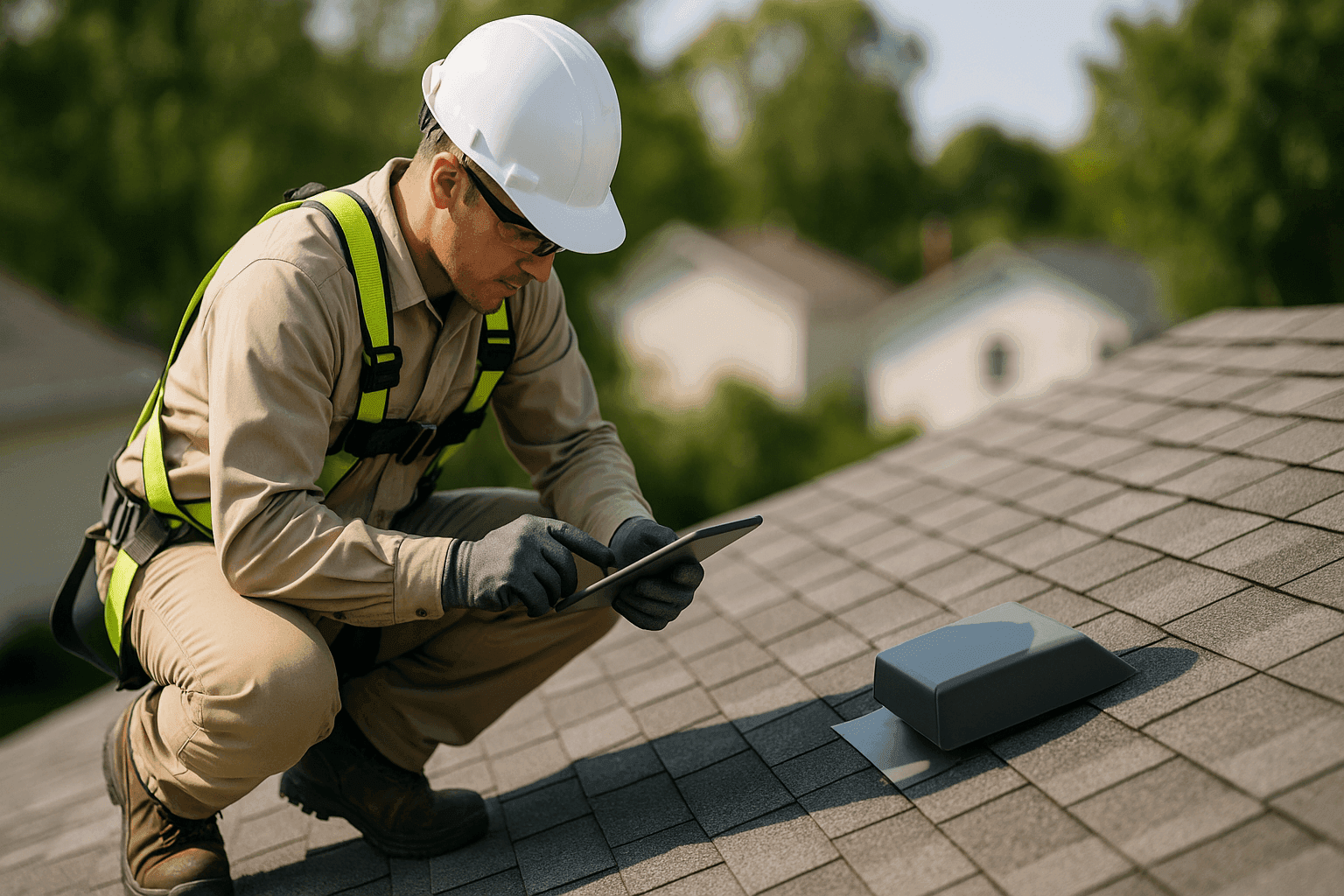
- Safety First: Our team uses harnesses, gloves, and non-slip boots. We also bring roof-safe ladders and fall-protection gear.
- Clear the Area: Move vehicles, patio furniture, or anything that might block access.
Tip: If you have pets or small children, keeping them indoors during the inspection keeps everyone safe.
What a Roofer Looks For 🔎
A professional roof inspection is like a detective story. We search for clues no one else can see. Here’s what STL Roofing checks, step by step:
Exterior Inspection
- Shingles or Tiles: Are any missing, cracked, curling, or worn down?
- Flashing: Around chimneys, skylights, and vents—prime spots for leaks.
- Gutters & Downspouts: Clogged, sagging, or pulling away? Water must flow freely.
- Roof Valleys: Where two rooflines meet—often a trouble spot for leaks.
- Sealants & Coatings: Look for cracks or peeling that could let water in.
- Roof Decking: Soft spots may mean hidden rot.
Interior Inspection
- Attic: Signs of water stains, mold, or wet insulation.
- Ceilings & Walls: Peeling paint, brown spots, or fresh dampness.
- Ventilation: Proper airflow keeps energy bills down and mold at bay.
We use moisture meters, drones for hard-to-reach areas, and even thermal imaging (when needed) to uncover what’s happening beneath the surface.
Common Findings
Most roofs tell a story. Here’s what we often find:
- Loose or Missing Shingles: Wind and storms are usually to blame.
- Worn Sealants: Age and weather break them down.
- Damaged Flashing: Sometimes bent, sometimes rusted—a leak risk.
- Gutter Issues: Blockages can back up water, causing damage.
- Minor Leaks: Early signs are easy to miss, but we spot them fast.
- Ventilation Problems: Poor airflow can shorten your roof’s life.
It’s not all bad news. Sometimes, a little maintenance is all you need. Other times, we catch big issues before they become emergencies.
Reporting & Next Steps 📋
After the inspection, you get a clear, honest report. Here’s what’s included:
- Photos: Before-and-after shots, close-ups of problem areas.
- Notes: What we found, where, and what it means for you.
- Recommendations: Repair, replacement, or just routine maintenance.
- Priorities: What’s urgent, and what can wait.
Sample Report Snapshot
Roof: 15-year-old asphalt shingles
Findings:
- Two missing shingles (rear slope)
- Rusted flashing at chimney
- Slight gutter blockage (leaves)
- Attic dry, no active leaks
Recommendations:- Replace missing shingles
- Repair/replace chimney flashing
- Gutter cleaning within 30 days
STL Roofing uses digital checklists and clear photos, so you see exactly what we see. We’re licensed, insured, and our crew is trained to current building codes and safety standards.
Inspection Prep
Before the ladder goes up, small steps make a big difference. Here’s how to make your inspection seamless:
- Clear the driveway and yard.
- Let us know about pets or locked gates.
- Have previous roof paperwork handy if possible.
We’ll take care of the rest. Preparation helps us focus on your roof, not obstacles.
What a Roofer Looks For
Think of your roof like a puzzle. Every shingle, flashing, and sealant plays a part. During an inspection, we check:
- Edges and Overhangs: These spots wear out first.
- Gutter Alignment: Sagging gutters spell trouble.
- Chimney & Skylights: High-risk for leaks if not properly flashed.
- Flat & Low-Slope Areas: Prone to pooling water.
We use tools like moisture detectors and infrared cameras to see beneath the surface—like x-ray vision for your roof.
Common Findings
Even small issues can balloon into big headaches. Some of the most frequent inspection discoveries:
- Granule Loss: From asphalt shingles, a sign of aging.
- Broken Tiles: Especially after hail or falling branches.
- Corroded Metal Roofing: Rust spreads fast if not caught early.
- Clogged Downspouts: Water backs up and damages fascia.
Routine inspections catch these before they turn into emergency roofing calls.
Reporting & Next Steps
We believe you deserve more than a checklist. STL Roofing provides:
- Detailed Photos: Not just “problem found,” but “here’s what we mean.”
- Clear Summary: Easy to read, with action items.
- Step-by-Step Recommendations: What to fix now, what can wait.
Sample Report Excerpt:
Inspection Date: 2025-11-27
Homeowner: J. Smith
Findings:
- Curling shingles near eaves
- Minor leak evidence in attic insulation
- Gutter loose at front corner
Next Steps:- Shingle replacement
- Gutter re-attachment
- Monitor attic after repairs
Inspection Guarantee
STL Roofing is fully licensed, insured, and up-to-date on the latest International Building Code (IBC) and OSHA safety practices. Our inspectors are trained professionals. We stand behind every inspection with clear, honest reporting and a commitment to safety.
Quick Safety Checklist
Before the inspection begins, safety comes first. Here’s a fast checklist:
- Ensure ladders are on stable ground
- Wear proper footwear (non-slip)
- Use harnesses and fall protection
- Avoid electrical hazards (power lines, antennas)
- Schedule for clear weather
- Keep children and pets indoors
Tip: Never walk on a wet or icy roof. It’s one of the fastest ways to get hurt.
DIY vs. Call a Pro
It’s tempting to grab a ladder and check things yourself. For a quick look, that’s sometimes ok—binoculars from the ground can spot missing shingles. But here’s when to call STL Roofing:
- Steep or Tall Roofs: Risk of serious injury.
- Hidden Leaks: Signs in the attic or walls may not be obvious.
- Storm Damage: Structural issues may not be visible from the ground.
- Flat Roofs & Commercial Buildings: Special equipment and expertise needed.
Rule of thumb: If you’re not comfortable or notice anything unusual, call a professional for emergency roofing or routine inspection.
What Pros Do On Arrival
When STL Roofing arrives, here’s what you can expect:
- Greet & Review: We’ll discuss any concerns or recent issues.
- Safety Setup: Ladders, harnesses, and cones as needed.
- Exterior Walkaround: Visual check for obvious problems.
- Roof Access: Climb up (if safe) or use drones for hard-to-reach spots.
- Interior Check: Attic and ceilings for signs of leaks or mold.
- Real-Time Updates: We’ll point out findings as we go, if you’d like.
Photos and notes are taken throughout for your report.
Prevention & Maintenance
A roof’s best friend is regular care. Here’s how to keep yours healthy:
- Annual Inspections: Especially after severe weather.
- Clean Gutters: At least twice per year.
- Trim Overhanging Branches: Prevents damage and blockages.
- Check Attic Ventilation: Reduces moisture and heat buildup.
- Spot-Check After Storms: Fast action can prevent big repairs.
Following manufacturer and National Roofing Contractors Association (NRCA) guidelines extends your roof’s life.
Costs & Time Factors
Roof inspections are an investment that pays off. Here’s what affects cost and timing:
- Roof Size & Complexity: Larger, steeper roofs take longer.
- Accessibility: Multi-story or hard-to-reach areas add time.
- Extent of Issues: More findings mean more notes, photos, and recommendations.
- Commercial vs. Residential: Commercial roofs may require special equipment or reporting.
Most inspections take between 60–120 minutes. Urgent or emergency roofing checks can be faster, depending on the situation.
When It’s an Emergency
Storm just rolled through? Water pouring in? Know these signs:
- Active Leaks: Water dripping inside.
- Missing Shingles or Tiles: Exposed underlayment.
- Sagging Roof Deck: Visible from the street.
- Debris Impact: Tree limbs or heavy objects on the roof.
If you see any of these, call STL Roofing immediately for emergency roofing. Quick response limits damage and keeps your home or business safe.
FAQ
How often should I schedule a professional roof inspection?
At least once a year, and always after major storms. Commercial properties may require more frequent checks.
What if I need roof repair near me after the inspection?
STL Roofing provides a detailed report with clear next steps, so you know what’s urgent and what can wait.
Can I stay home during the inspection?
Absolutely. We just ask that you keep pets and children away from the inspection area for safety.
Are photos included in my inspection report?
Yes. Every STL Roofing inspection includes photos of key findings, so you can see exactly what we see.
Local/Seasonal Considerations 🌦️
Living in an area with harsh winters or stormy summers? Seasonal extremes can stress your roof:
- Spring/Fall Inspections: Catch damage from storms, ice, or falling branches.
- Before Listing Your Home: An inspection can prevent surprises during a sale.
- After Hail or Windstorms: Even if damage isn’t obvious, hidden problems are common.
Tip: Keep an eye out for loose shingles or new water spots after severe weather—these are early warning signs.
A thorough roof inspection isn’t just a checklist—it’s peace of mind. Whether you need emergency roofing or just want to stay ahead of problems, STL Roofing is ready to help.
Call STL Roofing now — or reach us anytime at 888-887-3097 .