How to Prepare Your Roof for Winter: Essential Seasonal Maintenance Tips
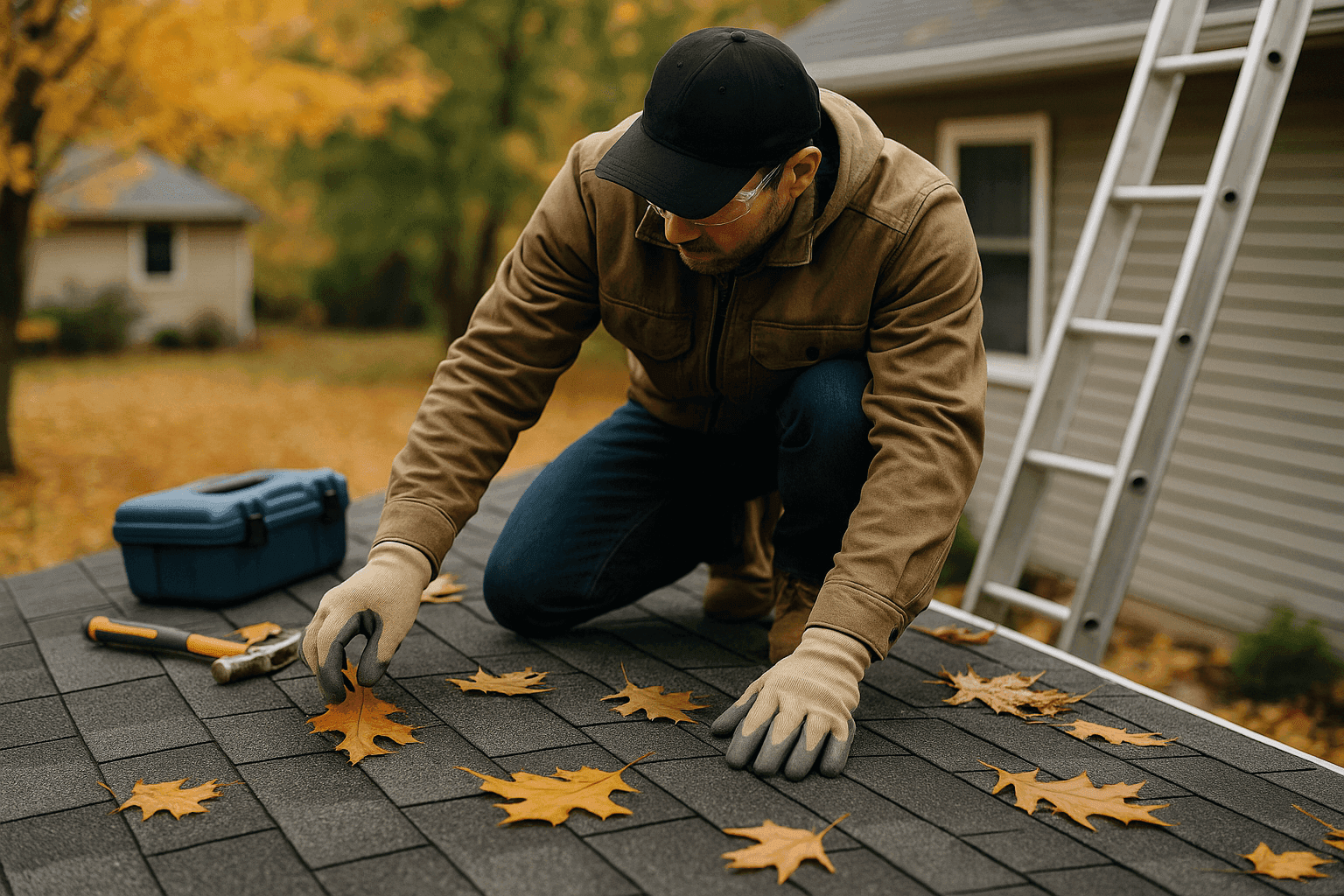
When winter’s chill creeps in, your roof becomes the frontline defense against the elements. Cold winds, heavy snow, and freezing rain push every shingle, gutter, and vent to their limits. For homeowners and small business owners, preparing your roof for winter isn’t just a good idea—it’s essential.
At STL Roofing, we know what it takes to keep roofs strong through the harshest months. Years of experience, real customer stories, and a commitment to quality drive everything we do. Here’s how you can make sure your roof stands up to winter’s toughest tests.
Why Winter Roof Prep Matters
Winter brings more than just a drop in temperature. Picture snow piling up like heavy blankets, melting and refreezing in a cycle that can lead to leaks, ice dams, and ventilation issues. Even a small crack or clogged gutter can turn into a major headache when temperatures plummet.
Common winter roof issues include:
- Ice dams: When warm air escapes, snow melts and refreezes at the eaves, causing water to back up under shingles.
- Leaks: Tiny gaps become gushing leaks as ice expands and contracts.
- Ventilation problems: Poor airflow means condensation, which can rot decking and insulation.
- Gutter blockages: Leaves and debris freeze, causing water to spill over and damage siding or foundations.
Ignoring these problems is like leaving your front door open in a blizzard. Small issues grow fast, and emergency roofing calls become all too common.
Quick Safety Checklist 🛑
Before you grab a ladder or broom, safety comes first. Roof work is risky, especially as surfaces get slick or icy.
- Never climb a roof alone—always have someone nearby.
- Use a sturdy, well-placed ladder on flat, dry ground.
- Wear slip-resistant shoes and gloves for grip.
- Avoid work in wet, icy, or windy conditions.
- Watch for overhead power lines and tree limbs.
- Consider a harness or safety rope for steep or high roofs.
The Occupational Safety and Health Administration (OSHA) recommends fall protection for any work above six feet. When in doubt, leave risky jobs to professionals.
Roof Inspection Checklist Before Winter
Think of a roof inspection like a yearly checkup. It catches small issues before they snowball.
Start with these steps:
- Scan for missing, cracked, or curling shingles.
- Look for loose or damaged flashing around chimneys, skylights, and vents.
- Check for moss, algae, or debris that holds moisture.
- Inspect gutters and downspouts for clogs, rust, or sagging.
- Peek into the attic for signs of leaks, water stains, or daylight coming through.
Don’t forget the underside. Water stains on ceilings or walls inside your home or business are red flags. If you spot any trouble, jot it down. Photos help too.
Cleaning Gutters and Downspouts to Prevent Ice Buildup
Gutters are like the veins of your roofing system. When blocked, water has nowhere to go but over the edge—or worse, into your home.
- Clear leaves, twigs, and debris before the first snow.
- Flush gutters with a hose to check for flow and leaks.
- Make sure downspouts direct water away from your foundation.
- Install gutter guards if you’re in a leafy area, but check them regularly.
Ice buildup often starts with clogged gutters. When water can’t drain, it freezes, expands, and can rip gutters right off. Regular cleaning now saves costly repairs later.
Checking and Improving Roof Ventilation and Insulation
A well-ventilated attic is like a warm scarf for your home—keeping heat in where you want it, and letting moisture out where you don’t.
- Check soffit and ridge vents for blockages.
- Look for signs of poor airflow: frost on nails, musty smells, or damp insulation.
- Add insulation if you spot bare patches or uneven coverage.
- Seal gaps around attic hatches, pipes, and wiring to prevent warm air leaks.
The U.S. Department of Energy recommends at least 10–14 inches of insulation in most attics. Proper ventilation and insulation work together to prevent ice dams and keep energy bills down.
Sealing Cracks and Applying Roof Coatings for Protection
Even tiny cracks can let in water, which freezes and widens the gap. Think of roof sealants and coatings as a waterproof jacket for your roof.
- Seal around chimneys, skylights, and vent pipes with high-quality caulk.
- Use roof coatings designed for your material—shingle, metal, or flat roofs.
- Check for gaps at flashing and seal as needed.
Be sure to follow the manufacturer’s instructions. Some products need dry, above-freezing weather to cure properly.
Identifying Signs of Storm Damage or Structural Concerns
Winter storms can turn small weaknesses into big problems overnight. After heavy wind or snow, walk around your home or business and look for:
- Bent, missing, or dented shingles or panels.
- Sagging sections of roof or gutters.
- Debris piles or tree limbs on the roof.
- Cracks in the attic rafters or ceiling.
If you spot anything out of the ordinary, snap a photo. Sometimes damage hides beneath the surface, so a professional inspection is wise if you’re unsure.
DIY vs. Call a Pro
Some maintenance tasks are safe for handy homeowners or business owners—others, not so much.
Good DIY tasks:
- Clearing gutters and downspouts (from a ladder, not the roof)
- Visual inspections from the ground or attic
- Replacing a few shingles (if you’re experienced and it’s safe)
Call a pro for:
- Roof leaks, sagging, or structural issues
- Chimney or skylight flashing repairs
- Major shingle or tile replacement
- Anything involving steep or high roofs
Remember, emergency roofing teams like STL Roofing are trained to spot hidden issues and handle repairs safely—even in bad weather.
What Pros Do On Arrival
When you call for help, here’s what to expect:
- Thorough inspection: Inside and out, from attic to gutters.
- Moisture and leak check: Using moisture meters and thermal cameras if needed.
- Structural assessment: Looking for sagging, rot, or compromised decking.
- Immediate repairs: Temporary patches or tarps to prevent further damage.
- Full report: Clear explanation of findings and recommended next steps.
Our crews come prepared for anything—whether it’s a quick fix or a full emergency roofing response.
Prevention & Maintenance: Steps for a Longer-Lasting Roof 🏡
A little effort now pays off all winter long. Here’s how to keep your roof in top shape:
- Schedule annual inspections—don’t wait for trouble.
- Clean gutters and downspouts every fall and spring.
- Trim back trees to prevent branches from falling on the roof.
- Check attic insulation and ventilation at least once a year.
- Apply sealants or coatings as recommended for your roof type.
Consider eco-friendly options like cool roof coatings or recycled-content shingles for added protection and energy savings.
Costs & Time Factors
Roof maintenance doesn’t have to break the bank, but costs vary by roof size, material, and condition.
- DIY cleaning: Usually a few hours, plus the cost of tools and safety gear.
- Professional inspections: Often take 1–2 hours, with extra time for repairs.
- Minor repairs: Can be done same day if weather allows.
- Major repairs or replacements: May take several days, especially if weather delays work.
Remember, small investments in maintenance can save thousands in emergency roofing costs down the line.
When It’s an Emergency
Some problems can’t wait. Call for emergency roofing help if you notice:
- Active leaks—water dripping inside, especially near electrical wiring.
- Heavy snow loads causing sagging or creaking sounds.
- Storm damage with missing shingles, torn flashing, or exposed decking.
- Gutters or downspouts pulling away from the house.
Quick action can prevent further damage to your home or business. STL Roofing is ready to respond 24/7, no matter the weather.
Frequently Asked Questions
How often should I inspect my roof?
At least twice a year—once in the fall before winter, and again in the spring. After any major storm, do a quick walk-around check.
What’s the best way to prevent ice dams?
Keep gutters clear, add attic insulation, and ensure good ventilation. If ice dams persist, consider professional heat cables or roof edge treatments.
Can I walk on my roof to clear snow?
It’s not recommended. Snow and ice make roofs slippery and dangerous. Use a roof rake from the ground, or call a professional for safe snow removal.
How do I know if my attic has enough insulation?
Measure the depth—generally, 10–14 inches is recommended. If you see joists or uneven coverage, add more. The U.S. Department of Energy offers detailed guidelines.
Special Considerations for Winter Roof Maintenance
Every roof is different. Flat roofs need extra care to prevent ponding water and ice buildup. Metal roofs shed snow quickly, but seams and fasteners can loosen. Skylights and chimneys are common leak spots—check flashing and seals carefully.
Eco-friendly roof options can help reduce heat loss and energy costs. Ask about reflective coatings, recycled materials, or green insulation choices.
Winter prep isn’t just about avoiding damage—it’s about peace of mind. STL Roofing helps families and businesses stay warm, dry, and safe, season after season.
Call STL Roofing now — or reach us anytime at 888-887-3097 .