Metal Roofing Guide: Benefits, Costs, and Maintenance
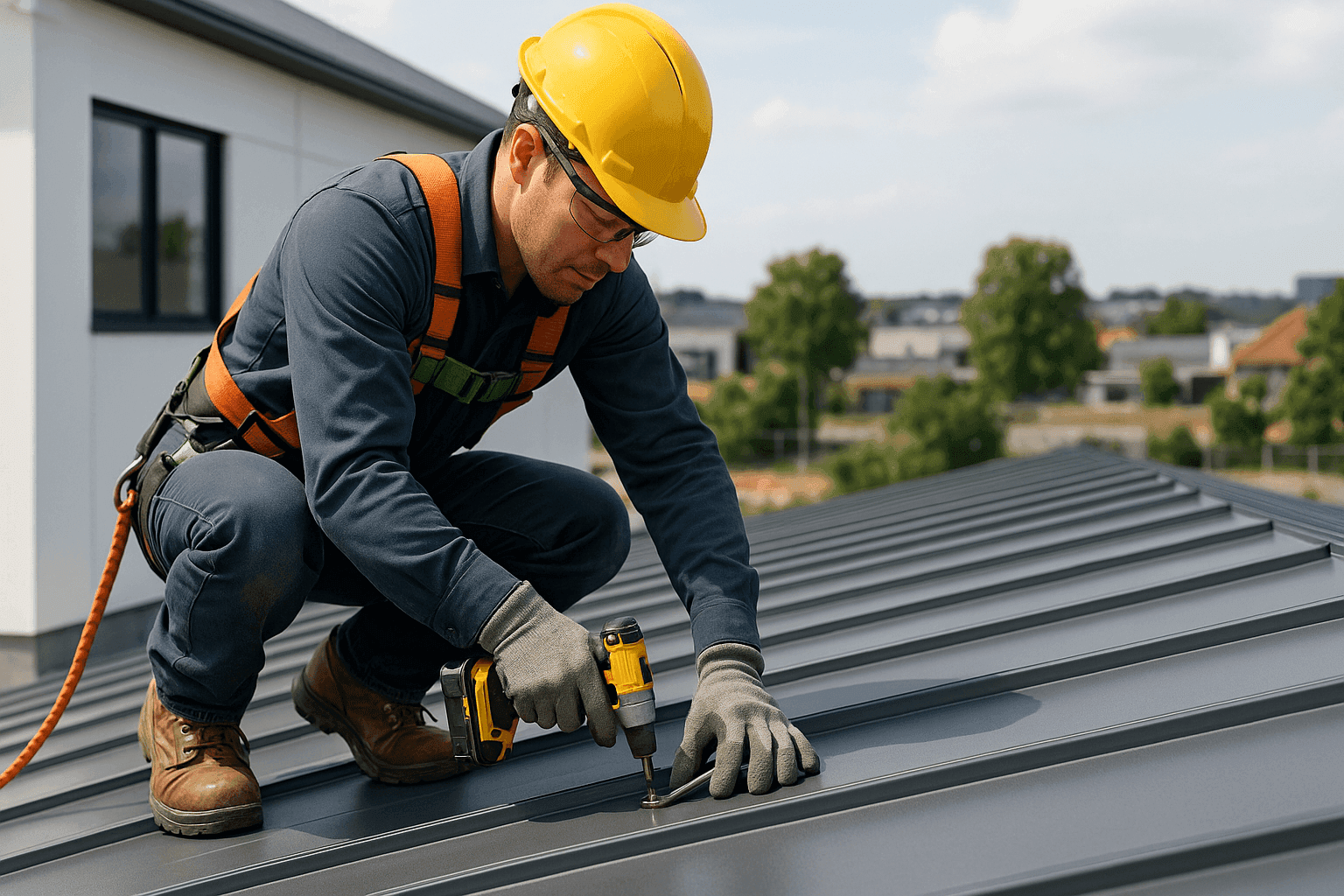
Metal roofing isn’t just for barns anymore. You see it popping up on modern homes, busy warehouses, and even that diner down the street. Why? Because storms don’t care what kind of roof you have—until you need emergency roofing, and then every detail counts.
At STL Roofing, we know how important it is for your roof to last, no matter the season or surprise. Whether you manage an apartment complex or need roof repair near you after a summer storm, we’re ready. Let’s break down what makes metal roofing a serious contender for both homes and businesses.
Why Choose Metal Roofing 🏠
Picture this: a roof that shrugs off hail, laughs at wind, and sips energy instead of gulping it. That’s metal roofing.
Types of Metal Roofs
- Standing Seam: Those crisp, tall ribs running from eave to ridge. Zero exposed fasteners means fewer leak points.
- Corrugated Panels: Wavy sheets, strong and affordable. Great for sheds, barns, or when you want a classic look.
- Stone-Coated Metal: Metal core with a textured, stone-like finish. Looks like tile or shingle, lasts like steel.
Built to Withstand
Metal doesn’t rot. It doesn’t invite termites. It fights off fire better than wood or asphalt, and when installed right, it holds up in winds over 100 mph, according to the Metal Construction Association. Many options are rated for UL 2218 Class 4 impact resistance—meaning hail is less likely to punch through.
Energy Savings
Ever touch a metal slide in August? Hot, right? Now imagine that same slide with a cool, reflective paint. Modern metal roofs use reflective coatings to bounce sunlight away, reducing attic heat and slashing cooling costs. ENERGY STAR® reports you might save up to 40% on summer energy bills compared to dark shingles.
Metal vs. Shingle Costs
Let’s talk numbers.
- Upfront: Metal roofing can run 2–3 times more than basic shingles. But it’s not apples to apples—it’s apples to apple trees.
- Lifespan: Asphalt shingles last 12–20 years. Most metal roofs? 40–70+ years with the right care.
- Maintenance: Fewer leaks, less moss, and rare repairs mean lower long-term costs.
What Influences Cost?
- Metal type (steel, aluminum, copper)
- Coating/finish
- Complexity (valleys, skylights, chimneys)
- Roof size and pitch
For both commercial and residential properties, the price tag up front is higher, but you’re investing in decades of storm-proof shelter.
Maintenance Tips for Metal Roofs 🧰
Metal roofing is tough, but it’s not invincible. A little care goes a long way.
- Remove debris: Branches, leaves, and dirt trap moisture.
- Check fasteners: Expansion and contraction can loosen screws.
- Clean gutters and downspouts: Keep water flowing away from your building.
- Inspect sealants: Around flashing, vents, skylights—reapply when cracked.
- Look for scratches: Touch up paint or coating to prevent rust.
Have a flat metal roof? Make sure there’s no standing water after storms. STL Roofing’s preventative maintenance programs catch small issues before they become big, expensive problems.
Common Issues with Metal Roofs
Even the best roof has weak spots.
- Oil Canning: Wavy ripples in flat metal panels. Mostly cosmetic but can be prevented with proper installation.
- Leaking at Seams or Fasteners: Usually from improper installation, missing gaskets, or degraded sealant.
- Rust: Rare with modern coatings, but can happen if paint is damaged or in salty environments.
- Noise: Heavy rain can ping and drum. Good insulation or attic space helps soften the sound.
Got a leak or storm damage? Emergency roofing services from STL Roofing get your property dry, fast—no matter the hour.
Is Metal Roofing Right for Your Climate?
Metal roofs handle extremes better than most. Here’s how they stack up:
- Hot, sunny climates: Reflective finishes help keep interiors cooler.
- Storm-prone areas: Impact and wind resistance protect against hail and debris.
- Heavy snow: Metal sheds snow quickly, reducing weight on your structure.
- Coastal regions: Aluminum or special coatings resist salt corrosion.
The International Building Code (IBC) and local standards, like those from the Metal Building Manufacturers Association (MBMA), set durability benchmarks. STL Roofing always installs to meet or exceed these codes, whether you’re in a leafy suburb or a bustling business district.
Metal Roofs for Homeowners and Businesses
Metal isn’t just for warehouses.
Residential
- Modern, rustic, or traditional looks
- Energy savings for your family
- Low maintenance—leaves you more weekends
Commercial
- Reliable protection for inventory and tenants
- Fire resistance can lower insurance costs
- Easy upgrades: solar panels, new skylights, or green roof additions
STL Roofing’s crews are trained on steep slopes, flat decks, and every fastener in between.
Metal Roofing Maintenance Checklist
- Inspect after any major storm
- Clean gutters twice a year
- Check attic for leaks or signs of moisture
- Schedule a professional inspection every 2–3 years
Following Occupational Safety and Health Administration (OSHA) guidelines, STL Roofing’s teams use harnesses and fall protection during every inspection or repair—your safety and our crew’s safety always come first.
Metal vs. Shingle: Cost Breakdown
Let’s simplify:
- Shingle Roof: $ (lower up front), lasts 12–20 years, more repairs
- Metal Roof: $$–$$$ (higher up front), lasts 40–70+ years, less maintenance
Factor in energy savings and fewer emergency roofing calls, and over time, metal pays for itself.
When Metal Roofing Is an Emergency
Storm just rolled through? Hail pounding at 2 a.m.? Metal roofs still need immediate attention when:
- Branches or debris punch through panels
- Flashing rips loose in high winds
- Skylights or vents leak suddenly
STL Roofing’s emergency teams handle urgent roof repair near you, day or night. We’ll tarp, patch, and make sure you’re watertight until a full solution is ready.
FAQ: Metal Roofing
How long does a metal roof last?
Most metal roofs last 40–70 years. Some copper and zinc roofs have lasted over a century.
Do metal roofs attract lightning?
No more than any other roof. Metal safely disperses energy if struck, according to the National Fire Protection Association.
Will it make my house hot?
Not with today’s reflective coatings. Metal can actually keep attics cooler than asphalt shingles.
Is it noisy in the rain?
With proper attic insulation or panels over solid decking, most folks notice little difference.
Local and Seasonal Considerations 🌦️
In St. Louis and the Midwest, we get it all—scorching summers, icy winters, tornado warnings. Metal roofing stands up to rapid temperature swings and heavy storms. For hurricane or high-wind areas, look for wind ratings up to 140 mph, as recommended by the Federal Emergency Management Agency (FEMA).
Regular inspections after hail, wind, or snow help your roof last—and help your insurance claim, if needed.
Ready to talk metal? Whether it’s a new roof, urgent leak, or just questions about your options, STL Roofing is here when you need us.
Call STL Roofing now — or reach us anytime at 888-887-3097 .