How to Maintain Your Roof Ventilation & Insulation Year-Round
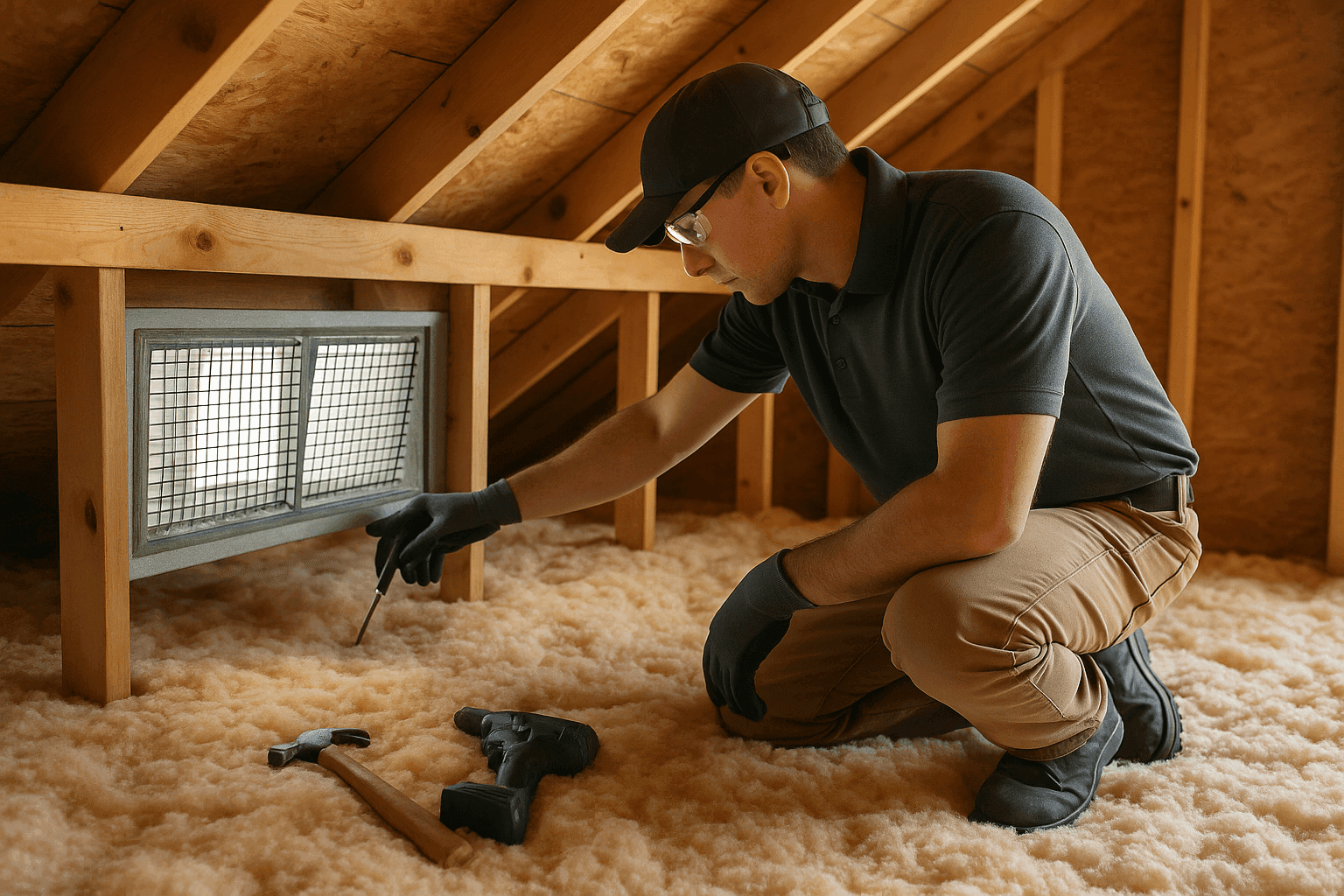
When you think about your roof, you might picture shingles, tiles, or maybe a sturdy metal surface. But what’s underneath is just as important—especially the ventilation and insulation that keep your indoor spaces comfortable and your energy bills in check.
Ignoring these hidden layers is like leaving a window open during a storm. Moisture, heat, and cold sneak in, causing trouble you might not notice until it’s too late. At STL Roofing, we know that a well-maintained roof is about much more than what you see from the curb.
Why Roof Ventilation and Insulation Matter 🏠
Proper roof ventilation and insulation are the silent heroes of your home or small business. They keep the attic from turning into a sauna in summer and a freezer in winter. They help prevent mold, wood rot, and sky-high energy bills.
- Energy Savings: According to the U.S. Department of Energy, effective insulation and ventilation can reduce heating and cooling costs by up to 20%. That’s money back in your pocket.
- Moisture Control: Good airflow prevents condensation, which can lead to mold or even structural damage.
- Ice Dams in Winter: Without enough ventilation, warm air melts snow on your roof. The water refreezes at the edges, causing ice dams that can tear up shingles and gutters.
- Heat Buildup in Summer: Poor ventilation traps heat in your attic, making your air conditioner work overtime.
Think of your roof like a thermos. It needs to keep the right temperature inside, no matter what’s happening outside.
Seasonal Maintenance Tips for Roof Ventilation
Every season brings its own challenges. Here’s how to keep your ventilation working all year:
Spring
- Clear Out Debris: Remove leaves, nests, or dust from roof vents and soffits.
- Check for Blockages: Look for insulation or other materials blocking airflow in the attic.
- Inspect for Mold: After winter, check for any signs of moisture or mildew.
Summer
- Monitor Attic Temperature: If your attic feels hotter than the outside air, ventilation may be lacking.
- Look for Signs of Pests: Birds, squirrels, or insects can block vents or damage insulation.
Fall
- Prepare for Cold: Make sure vents are clear before the first frost.
- Seal Gaps: Check for cracks or gaps where warm air could escape.
Winter
- Watch for Ice Dams: Icicles along the eaves can signal poor ventilation or insulation.
- Check for Frost in the Attic: Frost on nails or rafters means warm, moist air is getting trapped.
How to Inspect and Maintain Roof Insulation
Insulation is like a cozy blanket for your building. But over time, it can shift, compress, or get wet—losing its power.
Steps for a Basic Inspection
- Enter the Attic Safely: Wear gloves, a mask, and sturdy shoes.
- Look for Gaps: Insulation should cover all areas evenly, with no bare spots.
- Check for Moisture: Damp or moldy insulation needs to be replaced.
- Measure Depth: The U.S. Department of Energy recommends at least 10–14 inches of attic insulation, depending on the material.
- Feel for Drafts: Cold spots may signal missing or thin insulation.
Maintenance Tips
- Fluff It Up: Gently spread insulation back into place if it’s shifted.
- Replace Wet Insulation: Water-damaged material won’t insulate properly and can lead to mold.
- Add More if Needed: If insulation is below the recommended depth, add more to boost performance.
Common Problems and How to Prevent Them
Even the best roofs can run into trouble. Here’s what to watch for—and how to stop problems before they start.
Blocked Vents
- What Happens: Airflow stops, moisture builds up, and mold can grow.
- Prevention: Regularly check and clear all vents, inside and out.
Insulation Settling
- What Happens: Insulation compresses over time, losing effectiveness.
- Prevention: Inspect annually and top up as needed.
Pests
- What Happens: Animals nest in vents or insulation, causing blockages and damage.
- Prevention: Install vent screens and seal entry points.
Ice Dams
- What Happens: Melted snow refreezes at the roof edge, backing up water under shingles.
- Prevention: Maintain proper attic ventilation and insulation, and clear gutters before winter.
Quick Safety Checklist
Before you climb into the attic or onto the roof, keep these safety tips in mind:
- Wear protective gear: gloves, mask, and goggles.
- Use a sturdy ladder on level ground.
- Avoid working alone—let someone know you’re up there.
- Watch for exposed nails, wires, or damaged boards.
- Never walk on wet or icy roofs.
If in doubt, call an emergency roofing professional. Safety always comes first.
DIY vs. Call a Pro
Some tasks are safe for handy homeowners or business owners. Others are best left to those with training and the right equipment.
DIY-Friendly
- Checking attic insulation depth and condition.
- Clearing debris from accessible vents.
- Spotting visible mold or moisture.
Call a Professional For
- Replacing insulation, especially after water damage.
- Repairing or installing roof vents.
- Diagnosing persistent moisture or mold problems.
- Emergency roofing repairs after a storm.
A pro brings experience, tools, and knowledge of building codes—like those from the International Residential Code (IRC)—to make sure the job’s done right.
What Pros Do On Arrival
When STL Roofing arrives, here’s what you can expect:
- Full Inspection: We check vents, insulation, and roof structure inside and out.
- Moisture Assessment: Using infrared cameras or moisture meters to find hidden problems.
- Ventilation Check: Measuring airflow and identifying blockages.
- Insulation Evaluation: Checking depth, coverage, and condition.
- Recommendations: Clear, honest advice based on industry standards.
We follow guidelines from the National Roofing Contractors Association (NRCA) and the U.S. Department of Energy for every job.
Prevention & Maintenance
A little care goes a long way. Here’s how to keep your roof’s ventilation and insulation in top shape:
- Annual Inspections: Schedule a check-up at least once a year, or after severe weather.
- Keep Vents Clear: Remove debris, dust, and nests before each season.
- Upgrade When Needed: Older homes often need more insulation or better vents.
- Seal Air Leaks: Use caulk or foam to close gaps around pipes, chimneys, and wiring.
- Monitor for Moisture: Use a humidity gauge in the attic. Aim for 30–50% relative humidity.
- Clean Gutters: Blocked gutters can lead to water backup and roof leaks.
Costs & Time Factors
Every roof is different, and so are the costs and time involved.
- Inspection: Usually takes 1–2 hours.
- Minor Repairs: Clearing vents or adding insulation can be done in a day.
- Major Upgrades: Replacing insulation or installing new vents may take several days.
- Cost Factors: Size of the roof, type of insulation, accessibility, and extent of repairs all play a role.
Remember, investing in maintenance now can save you from expensive emergency roofing calls later.
When It’s an Emergency
Some problems can’t wait. Call for emergency roofing help if you notice:
- Sudden leaks or water stains on ceilings.
- Large patches of missing insulation after a storm.
- Persistent moldy smells or visible mold growth.
- Ice dams causing water to back up into your home or business.
- Attic temperatures far outside the normal range.
Quick action can prevent bigger headaches—like structural damage or ruined interiors.
FAQ
How often should I check my attic insulation and ventilation?
At least once a year, and after any major weather event. Spring and fall are ideal times.
Can I add new insulation over old insulation?
Yes, as long as the old insulation is dry and free of mold. If it’s wet or damaged, remove it first.
What are signs my roof ventilation isn’t working?
Hot or stuffy attic air, moldy smells, frost in winter, or high energy bills can all be clues.
Is attic ventilation really necessary in winter?
Absolutely. Good airflow prevents moisture buildup and ice dams, protecting your roof and insulation.
Special Considerations for This Service
- Older Buildings: May have outdated or insufficient insulation and venting. Upgrading can make a big difference.
- Flat Roofs: Need special attention to prevent water pooling and insulation compression.
- Commercial Properties: Larger spaces often require professional-grade solutions and regular inspections.
- Eco-Friendly Options: Ask about sustainable insulation materials and energy-efficient venting systems.
Whether your roof is steep or flat, old or new, proactive care keeps it strong through every season.
Call STL Roofing now — or reach us anytime at 888-887-3097 .