Flat Roofs: Installation, Repair, and Maintenance Explained
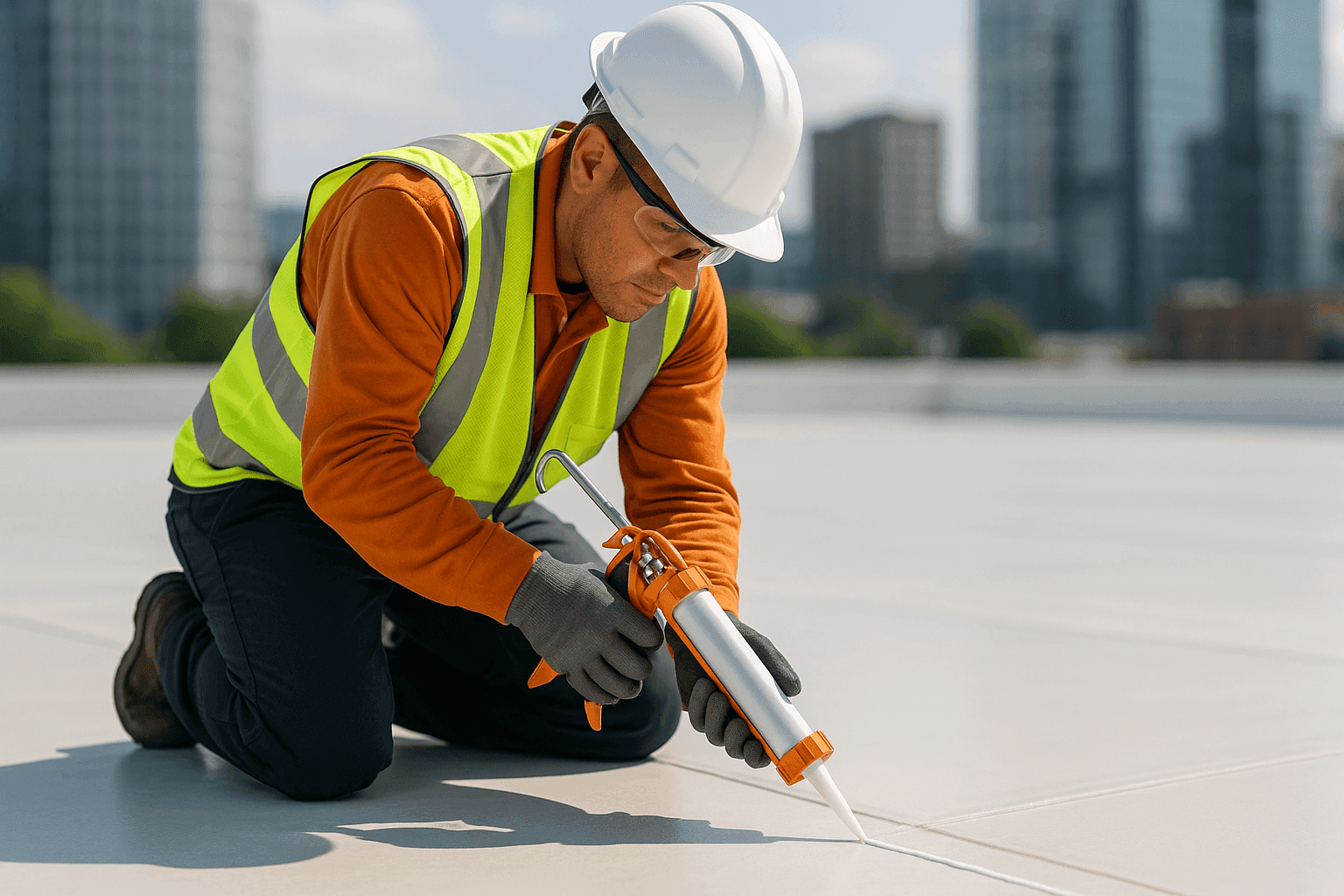
Flat roofs are tough. They stand up to heavy storms, scorching sun, and even the occasional forgotten soccer ball. But when something goes wrong, it’s rarely subtle. Water stains in the ceiling? A pond of water after rain? It’s urgent. You need help now, not next week.
At STL Roofing, we know flat roofs inside and out. Whether you manage a bustling office, own a small shop, or care for your family’s home, we’re here for every emergency roofing need—rain or shine.
Types of Flat Roofs
Flat roofs aren’t just a single style. They’re a neighborhood with a few popular residents—each with their own quirks, strengths, and maintenance needs. Let’s meet the main types you’ll find on commercial and residential buildings.
TPO: The Modern Workhorse
Thermoplastic Polyolefin, or TPO, is like the reliable pickup truck of roofing materials. Tough, flexible, and energy-efficient, it reflects sunlight and resists tears. It's a favorite for commercial properties, but residential customers love it for its low maintenance.
EPDM: The Long-Haul Runner
Think of EPDM (ethylene propylene diene monomer) as the marathon runner. This black rubber roofing is durable, weather-resistant, and perfect for both homes and businesses. It handles temperature swings like a champ, though it does soak up more heat in summer.
Built-Up Roofing (BUR): The Classic Sandwich
BUR is the triple-decker sandwich of roofs. Layers of tar and gravel create a sturdy, long-lasting system. Heavy, but classic. You’ll often spot BUR on older commercial buildings or multifamily properties, where durability and tradition matter.
Other Options: Modified Bitumen & More
Modified bitumen combines old-school reliability with a modern twist—think of it as the hybrid car in the driveway. There are also newer coatings and green roof options for eco-conscious owners.
Commercial vs. Residential
- Commercial Flat Roofs: Larger, engineered for heavy foot traffic (think HVAC contractors), built for durability and ease of access.
- Residential Flat Roofs: Smaller, typically less complex, but demand a sharp eye for leaks and insulation.
Installation Process 🏗️
Installing a flat roof isn’t like rolling out a carpet. Each step matters. Cut corners, and you’ll pay for it when the next storm hits.
1. Inspection and Planning
- Assess the structure.
- Check for rot, sagging, or water damage.
- Review local building codes (see International Building Code Section 1507 for roofing standards).
2. Deck Preparation
- Remove old material.
- Inspect decking for damage.
- Repair or replace as needed.
3. Laying the Membrane
- For TPO/EPDM: Roll out membrane, secure with adhesive or mechanical fasteners.
- For BUR: Alternate layers of asphalt and felt, topping with gravel.
4. Flashing and Edges
- Install metal or flexible flashing at all joints, penetrations, and edges.
- Seal seams to prevent wind or water infiltration.
5. Final Inspection
- Check for bubbles, wrinkles, or open seams.
- Confirm proper drainage—no standing water allowed.
Best Practices
- Always follow manufacturer guidelines.
- Use proper safety gear (see OSHA 1926.501 for fall protection).
- Schedule inspections after installation—preferably before the first heavy rain.
Repairing Leaks and Blisters
Flat roofs don’t whisper when there’s trouble. They shout. Leaks, blisters, and pooling water are clear warning signs.
Common Issues
- Ponding Water: Indicates poor drainage or sagging.
- Blisters: Air or moisture trapped under the membrane.
- Cracks & Splits: Usually from temperature changes or impact.
- Flashing Failures: Edges and seams are leak magnets.
Quick Fixes
- Remove debris and dry the area.
- Patch small holes with compatible material.
- For blisters, cut and dry out the area before patching.
When to Call STL Roofing
- Persistent leaks after DIY patches
- Structural sagging
- Large or spreading blisters
Remember, flat roofs are like puzzles. If one piece is off, the whole picture suffers.
Flat Roof Maintenance Schedule 🕒
A flat roof is like a classic car—it needs regular tune-ups. Here’s how to keep it running smoothly:
Spring & Fall:
- Inspect for debris, leaves, or standing water.
- Clean gutters and downspouts.
- Check for visible blisters, cracks, or loose flashing.
After Major Storms:
- Look for new leaks, tears, or missing gravel.
- Check interior ceilings for stains.
Annually:
- Schedule a professional inspection.
- Evaluate sealants and coatings for wear.
- Inspect insulation and ventilation systems.
Pro Tips
- Address minor issues before they become emergencies.
- Keep a maintenance log—it’s simple, but invaluable for warranty and insurance claims.
- Don’t ignore small leaks; they grow fast.
Costs & Time Factors
Flat roof projects aren’t one-size-fits-all. Costs and timelines vary based on size, material, and scope.
- Installation: Usually 1–5 days for most residential projects. Large commercial jobs may take 1–2 weeks.
- Repairs: Small patches can be done in hours. Major repairs may require several days, especially if decking or structure is involved.
- Maintenance: Typically a few hours per visit—plan for at least twice a year.
Factors that influence costs:
- Material choice (TPO and EPDM tend to be more affordable than BUR)
- Roof size and accessibility
- Structural repairs needed
- Local code requirements
Always request a detailed assessment. At STL Roofing, we provide honest, transparent overviews so you know what to expect.
When It’s an Emergency
Sometimes, waiting isn’t an option. If water is pouring in, or the roof is visibly sagging, it’s time for emergency roofing help.
Emergency signs:
- Sudden, significant leaks (especially during storms)
- Roof collapse or severe sagging
- Electrical hazards from water intrusion
Take these steps:
- Move valuables and electronics away from leaks.
- Contain water with buckets or tarps (if safe).
- Call STL Roofing immediately—don't try major repairs yourself during a storm.
Your safety comes first. The roof can be replaced; you can’t.
FAQ: Flat Roofs
How long does a flat roof last?
With proper maintenance, TPO and EPDM roofs often last 20–30 years, while BUR can last even longer.
Can you walk on a flat roof?
Yes, but only for maintenance—and only if the roof is designed for it. Too much foot traffic can cause damage.
What’s the biggest risk for flat roofs?
Poor drainage. Standing water is the enemy.
Are flat roofs energy efficient?
Modern membranes like TPO reflect sunlight and can help reduce cooling costs, especially on commercial buildings.
Local & Seasonal Considerations 🌦️
Flat roofs in regions with heavy rain or snow need special attention. In winter, snow and ice can create extra weight and block drainage. In hot climates, UV rays can age membranes faster.
- St. Louis & Midwest: Regular freeze-thaw cycles mean seams and flashing need extra inspection.
- Check local building codes (like the International Residential Code) for standards on insulation and slope.
STL Roofing tailors flat roof solutions to your climate—so your investment lasts season after season.
Flat roofs are strong—when they’re built and cared for the right way. Problems? Don’t wait. When you need emergency roofing or dependable roof repair near you, STL Roofing is ready.
Call STL Roofing now — or reach us anytime at 888-887-3097 .