Emergency Roofing Guide: What to Do Before Help Arrives
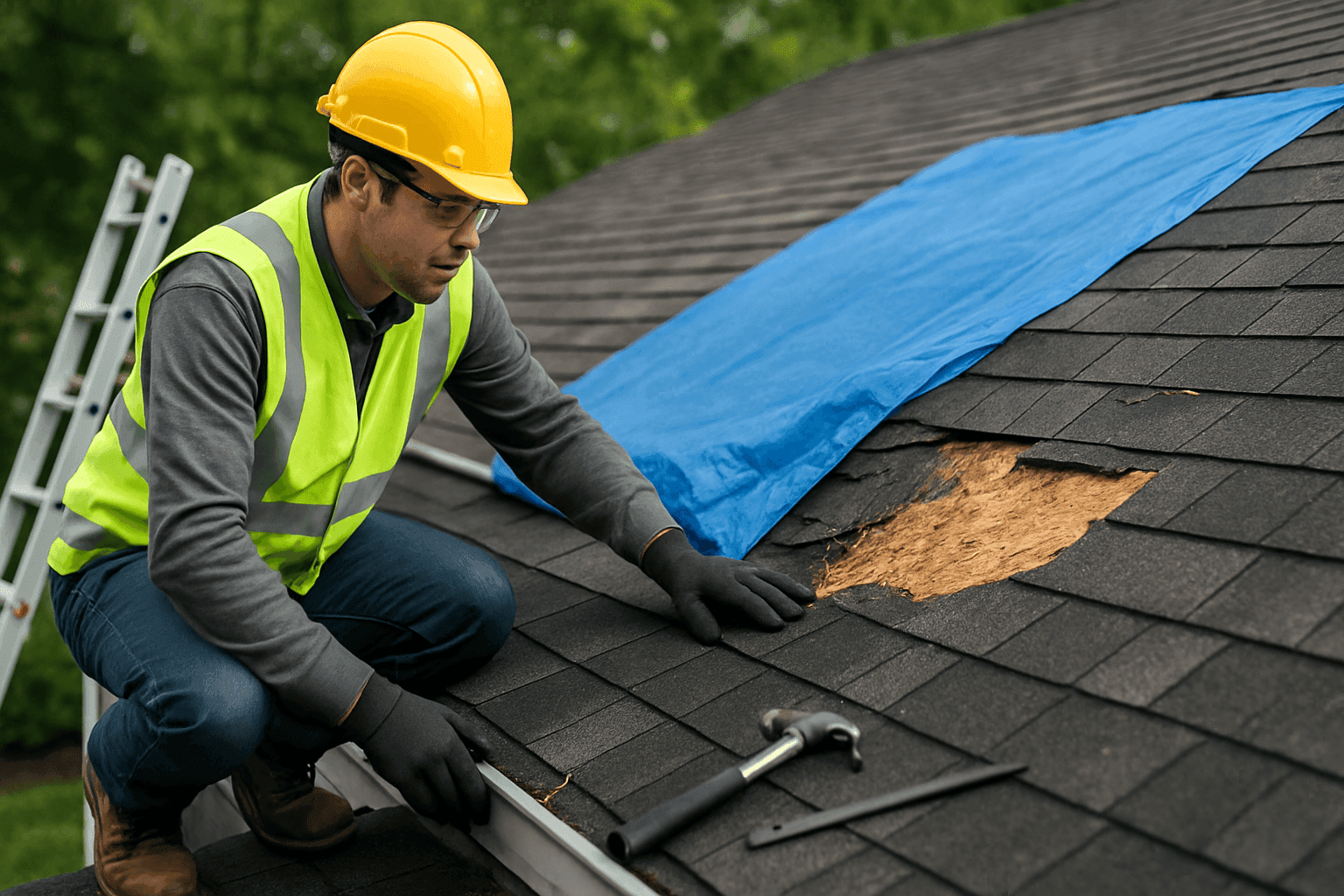
When the rain pounds, and you hear the drip-drip-drip of water inside, your heart sinks. No one expects a roofing emergency, but storms, trees, and time have their own plans. In that moment, knowing what to do can mean the difference between a minor inconvenience and major damage.
At STL Roofing, we've helped families and businesses through ice, hail, and wind. Our licensed and insured crews respond day and night. Here’s what you need to know—fast, clear, and straight from the folks who show up when things go sideways.
Recognizing Emergency Roofing Situations 🌩️
Not every roofing problem can wait. Some demand action—now. Here’s how to spot an emergency:
- Active Leaks: Water pouring in, especially near electrical panels or ceilings.
- Storm Damage: Shingles scattered on the lawn, tree limbs resting on your roof, or chunks of roofing missing.
- Sagging or Collapsed Roof Sections: If rooms suddenly feel “off” or ceilings bow, it’s not just a cosmetic issue.
- Chimney or Skylight Failures: Flashing ripped free, or skylight glass shattered.
- Gutter or Downspout Failures: Water gushing where it shouldn’t, risking your foundation.
If you spot these, it’s time to act. Roof emergencies don’t wait for office hours.
Immediate Steps to Take for Leaks or Damage
First, breathe. You’ve got this. Then:
- Move valuables and electronics out from under the leak.
- Contain the water with buckets, towels, or plastic sheeting. Even a trash can works in a pinch.
- Document the damage with photos. Insurance companies appreciate clear evidence.
- Minimize foot traffic in affected rooms. Wet ceilings can fail suddenly.
- Turn off electricity in areas where water is dripping near outlets or lights, if you can do it safely.
These steps won’t fix the roof, but they’ll protect what matters most.
Safety Tips While Waiting for Help
Your safety is the top priority. Roofs are slippery, especially when wet. Here’s what to keep in mind:
- Stay off the roof. Even pros use harnesses and safety gear. One wrong step can mean a fall.
- Avoid standing water. Electric shock risk goes up if water contacts wiring.
- Don’t climb ladders during storms. Wait until weather calms.
- Limit temporary fixes. Tarps can help, but only if it’s safe to do so from the ground.
If in doubt, wait for the pros. Your life is worth more than a patch job.
What Not to Do
It’s tempting to “just fix it.” Resist the urge if:
- You’re unsure about roof structure. Collapsed decking or rafters can give way.
- You don’t have proper boots or gloves. Shingles and debris can cut or puncture skin.
- Heavy winds or lightning are present. Storms can turn ladders into lightning rods.
DIY can save money, but not at the expense of safety.
When to Call the Pros
If water intrusion is active, you see visible holes, or structural elements are compromised—call STL Roofing right away.
Why?
Professional teams like ours arrive with:
- Heavy-duty tarps, sealants, and safety gear.
- Training to handle roof types from flat to tile to metal.
- Licensed, insured crews who know local building codes.
- Rapid response—often within the hour, rain or shine.
Our customers say it best:
“STL Roofing was there within 45 minutes after a tornado. They explained every step, kept us calm, and got us sealed up before the next storm.”
— Jason F., St. Louis
Common Roofing Emergencies (and What to Expect)
Leaks
Water follows the path of least resistance. Small leaks can travel across beams and drip far from the source. Immediate containment buys time. The pros will trace the leak, check for hidden damage, and recommend repairs.
Storm & Hail Damage
Hail can bruise shingles, while wind peels them back like a bad sunburn. After major storms, STL Roofing inspects not just the roof, but gutters, downspouts, and flashing—making sure nothing’s left to chance.
Tree Impact
A branch through the roof is dramatic, but even small limbs can cause unseen harm. Experts assess structural integrity, remove debris safely, and check for punctures in underlayment and decking.
DIY Repairs vs. Professional Help
It’s tempting to throw up a tarp or nail down loose shingles. But:
- Improper fixes can void insurance.
- Walking on wet roofs is extremely dangerous.
- Hidden damage is easy to miss without training.
According to the National Roofing Contractors Association (NRCA), emergency repairs should only be attempted by qualified crews due to the risks involved.
What Pros Do On Arrival
Here’s what happens when STL Roofing arrives:
- Assessment: Full inspection—roof surface, attic, gutters, and flashing.
- Containment: Deploying tarps, temporary sealants, or roof caps.
- Documentation: Detailed photos for insurance claims.
- Repair Plan: Clear, honest explanation of next steps.
Licensed teams work fast, but safety comes first.
Prevention & Maintenance
Emergency roofing isn’t just about reacting—it’s about preparing. Here’s how to reduce your risk:
- Schedule annual roof inspections.
- Keep gutters and downspouts clear. (Downspout Installation near you is a smart move.)
- Trim overhanging branches.
- Check attic ventilation and insulation.
Small steps now mean fewer emergencies later. The Insurance Institute for Business & Home Safety recommends inspections at least once a year, and after every major storm.
Costs & Time Factors
Every emergency is unique. Cost depends on:
- Extent of damage: Small leaks cost less than structural repairs.
- Roof type: Flat, tile, and metal roofs require different materials.
- Materials needed: Emergency tarping vs. full replacement.
Time on site ranges from an hour for minor containment to several days for complex repairs. Insurance may cover some costs—keep those photos handy.
When It’s an Emergency
Ask yourself:
- Is water actively entering the building?
- Has the roof structure shifted, sagged, or collapsed?
- Are electrical hazards present?
If yes, call STL Roofing. Delays can mean mold, rot, or worse.
FAQ
Q: Can I fix a leak myself with store-bought tarps?
A: Only if it’s safe and you can do it from the ground. Roofs are dangerous when wet or damaged.
Q: How soon can STL Roofing respond?
A: We offer rapid response 24/7, with licensed crews ready for residential or commercial calls.
Q: What should I do before the pros arrive?
A: Move valuables, contain water, and document everything. Stay safe—never risk injury for property.
Q: Will insurance cover the repairs?
A: Many policies cover storm and accident damage. Photos and fast reporting help your claim.
Local and Seasonal Considerations 🏙️
Across the country, roofing emergencies look different:
- Midwest: Hail, tornadoes, and ice dams.
- Southeast: Hurricanes and heavy rain.
- West Coast: High winds, wildfires, and falling branches.
- Northeast: Heavy snow, freeze-thaw cycles, and nor’easters.
STL Roofing understands these regional risks. Our teams are trained for all climates—from snow loads on flat roofs to wind-lifted shingles on steep pitches.
Protecting your home or business starts with fast action and safe choices. STL Roofing is here around the clock, ready for whatever the weather brings.
Call STL Roofing now — or reach us anytime at 888-887-3097 .