How to Choose the Right Roofing Contractor: 7 Essential Questions
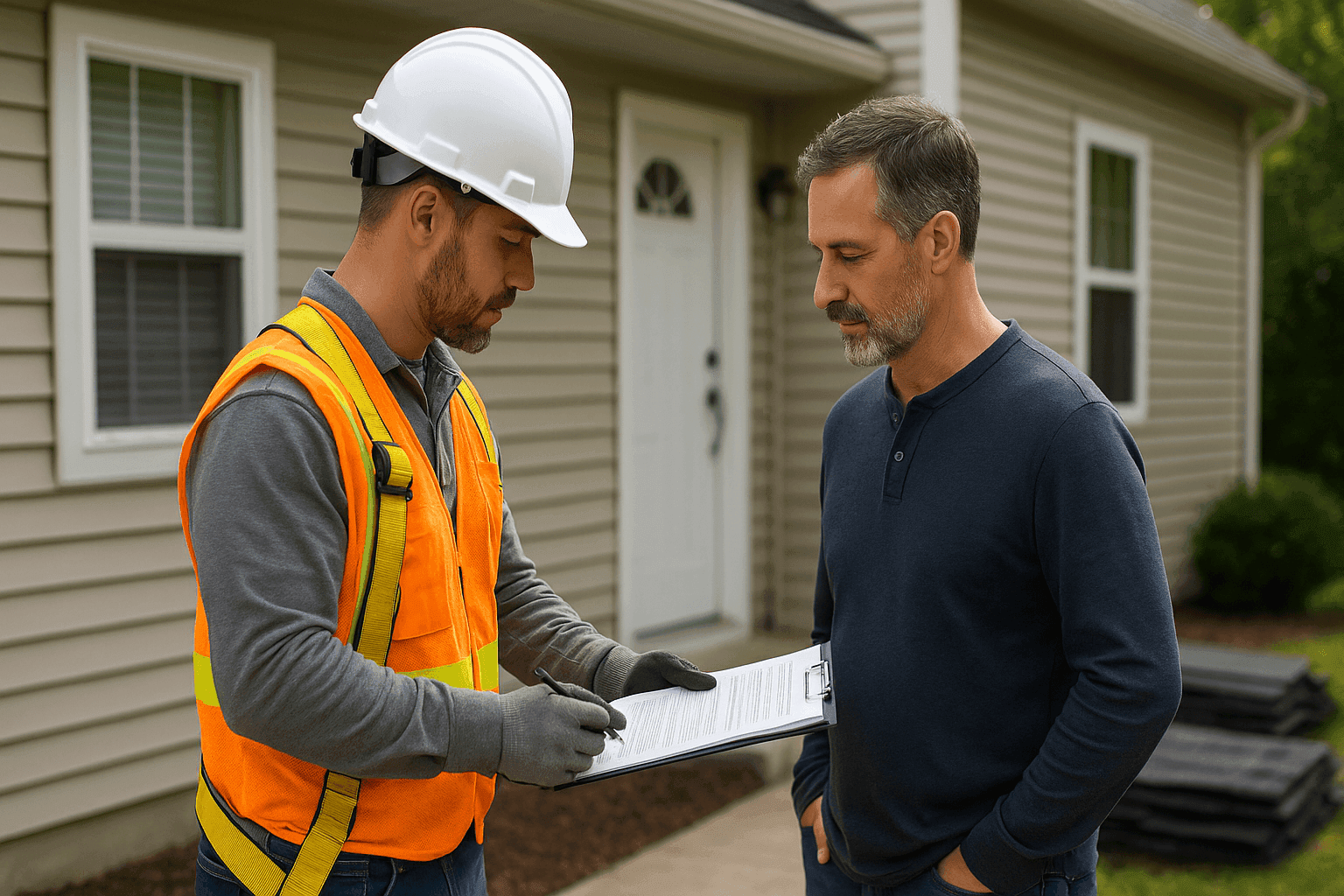
When your roof springs a leak in the middle of a thunderstorm, or you notice shingles scattered across your driveway after high winds, your first thought is: Who do I call? Your home or business is more than just a building—it’s your shelter, your investment, your peace of mind. Choosing the right roofing contractor isn’t just another item on your to-do list. It’s the difference between lasting security and years of headaches.
At STL Roofing, we know the stakes are high. We’ve seen what happens when unqualified crews cut corners. Let’s make sure you don’t end up with regrets overhead.
Why Contractor Choice Matters 🏠
Picking a roofing contractor is a lot like choosing a pilot for a cross-country flight. You wouldn’t hand the controls to someone without a license. The same goes for your roof. A good roofer keeps you safe and dry. A bad one? Well, you might as well leave buckets in every room.
Roofing is serious business. Building codes, material quality, and workmanship all play a role in the outcome. Poor installation or shoddy repairs can lead to water damage, mold, and even structural issues. According to the National Roofing Contractors Association (NRCA), improper installation is among the top causes of roof failure.
That’s why asking the right questions—and knowing what to look for—can save you time, money, and stress.
Top 7 Questions to Ask Any Roofing Contractor
Before you sign a contract or hand over a deposit, ask these questions. It’s your best defense against disappointment:
-
Are you licensed for roofing work in this state?
Licenses aren’t just paperwork. They mean your contractor meets local requirements and understands building codes. -
Do you carry current liability insurance and workers’ compensation?
No insurance? Walk away. If someone gets hurt on your property, you could be on the hook. -
How long have you been in business—and can you show recent references?
Experience matters. So does a track record you can check. -
What’s included in your written estimate?
Make sure it covers materials, labor, removal of old roofing, and any “extras” like vent or Downspout Installation near you. -
Who will be on site supervising the job?
You need a point person, not a mysterious crew that comes and goes. -
What is your plan for protecting my property during work?
Ask about landscaping, driveways, and cleanup. A good roofer leaves your property better than they found it. -
What kind of warranty do you offer on materials and workmanship?
Get it in writing. Know who to call if something goes wrong.
Pro tip: Print our downloadable checklist at the end of this article and bring it to every contractor meeting.
Credentials to Verify (Licensing, Insurance, References)
Think of credentials like a car’s dashboard lights. Ignore them, and trouble’s not far behind.
-
Licensing:
Check with your local building department or state contractor board. A legit contractor will share their license number without hesitation. -
Insurance:
Ask for proof of both liability and workers’ compensation insurance. Call the insurer if you’re unsure. -
References:
Recent, local references matter most. Call them yourself—don’t just read online reviews.
STL Roofing’s Credentials:
We’re fully licensed, insured, and proud members of industry organizations like the NRCA and the Midwest Roofing Contractors Association. Our clients—both homeowners and commercial property managers—consistently give us high marks for quality and reliability.
Understanding Warranties
Roofing warranties come in two flavors: manufacturer’s (for materials) and contractor’s (for labor/workmanship). Read both, line by line.
- Material warranties can last 10–50 years, but only cover defects—not poor installation.
- Workmanship warranties vary by contractor. Ask how long and what’s included.
The Federal Trade Commission (FTC) recommends always getting warranties in writing. If a contractor dodges this question, that’s a red flag.
Spotting Red Flags 🚩
Not every contractor is what they seem. Here’s what should send you running:
- High-pressure sales or demands for large cash deposits up front.
- No written contract or “handshake deals.”
- Vague answers about insurance or credentials.
- Unmarked trucks or out-of-state license plates.
- Refusal to provide references or local project addresses.
- Estimates that are way lower than everyone else’s—usually too good to be true.
Remember: If your gut says something feels off, trust it.
Comparing Proposals
Not all estimates are apples to apples. Here’s how to compare:
- Scope: Does each proposal include the same work? (e.g., decking, flashing, Downspout Installation near you)
- Materials: Are they quoting the same quality and brand?
- Timeline: How soon can they start—and how long will it take?
- Cleanup: Who handles debris and nails?
Take your time. Rushed decisions lead to regrets.
Downloadable Contractor Checklist
Bring this list to every interview:
- Valid state/local roofing license
- Proof of liability and workers’ compensation insurance
- Written estimate with full scope and pricing
- Detailed warranty information (materials & workmanship)
- At least three recent, local references
- Project timeline and supervisor contact
- Cleanup and property protection plan
Tip: Print this checklist and keep it handy during your search.
Why STL Roofing Is Trusted by Homeowners and Businesses
STL Roofing has been serving residential and commercial clients for over 20 years. We’re recommended for everything from emergency roofing and leak repairs to Downspout Installation near you, metal roofs, storm restoration, and preventative maintenance. Our certifications include OSHA safety training, manufacturer installation training, and ongoing education through the NRCA.
Don’t just take our word for it—our reviews on independent platforms reflect our commitment to quality, transparency, and safety. Local building inspectors and insurance adjusters know our reputation. We’ve handled everything from historic tile roofs to modern flat commercial systems.
The Risks of Unqualified Contractors
Hiring an unlicensed or uninsured roofer is like leaving your back door unlocked in a storm. You’re exposed to:
- Voided manufacturer warranties
- Costly code violations
- Insurance claim denials
- Unsafe work practices
- Hidden leaks or structural damage
The International Association of Certified Home Inspectors (InterNACHI) warns that poor roof work is a leading cause of water intrusion and mold.
Protect yourself. Ask the tough questions.
Frequently Asked Questions
How quickly can a roofing contractor respond to emergencies?
Most reputable roofers offer 24/7 emergency roofing services. STL Roofing can respond promptly to storm damage, major leaks, and urgent repairs—day or night.
Can I do roof repairs myself?
Small fixes like replacing a shingle might be possible for handy homeowners, but most repairs—even Downspout Repair—require specialized tools and safety equipment. Falls are a leading cause of home injuries, according to the CDC.
What if I have a flat roof or special material?
Ask if the contractor has experience with your roof type—flat, tile, metal, or green roofing. STL Roofing’s crews are trained across all major systems.
Checklist: What to Ask Before Hiring
Download or print this quick reference for your meetings:
- Are you licensed and insured for roofing work here?
- Will you provide a written estimate and warranty?
- Can I see recent references?
- Who supervises the project?
- How will you protect my property?
- What’s your cleanup plan?
- How do you handle emergency roofing calls?
Final Thoughts
Picking a roofing contractor isn’t just a transaction. It’s a partnership. Take your time, ask the tough questions, and never settle for less than you deserve.
Ready to protect your home or business with the region’s most qualified team?
Call STL Roofing now — or reach us anytime at 888-887-3097 .